
10 Things I Wish I Knew Before Backpacking Southeast Asia
After 18 months of travelling and living abroad, I have learnt a lot of things the hard way. From carrying a backpack that was far too heavy, to getting caught in a week of rain in northern Vietnam. There are plenty of things I wish someone had told me before I started travelling.
Backpacking Southeast Asia is one of the best experiences I’ve ever had. It’s relatively easy to travel around, there’s an incredible backpacker scene and there is so much to see and do, but that doesn’t mean everything will go exactly to plan. So, if you’re planning your first backpacking trip around Southeast Asia, here are 10 things I wish I knew before I went — including a few mistakes I’d definitely avoid the second time around.
Before you backpack Southeast Asia, remember:
- Pack lighter than you think you need to.
- Take warm layers — even in tropical countries.
- Check the weather and seasons before moving between countries.
- Don’t plan every day of your trip.
- Hostels are one of the easiest ways to meet other travellers.
- Try local food rather than sticking to familiar dishes.
- Learn the basic cultural expectations of each country.
- Be aware of common tourist scams.
- Expect some things to go wrong.
- Leave room for spontaneous experiences.
1. Pack lighter than you think you need to
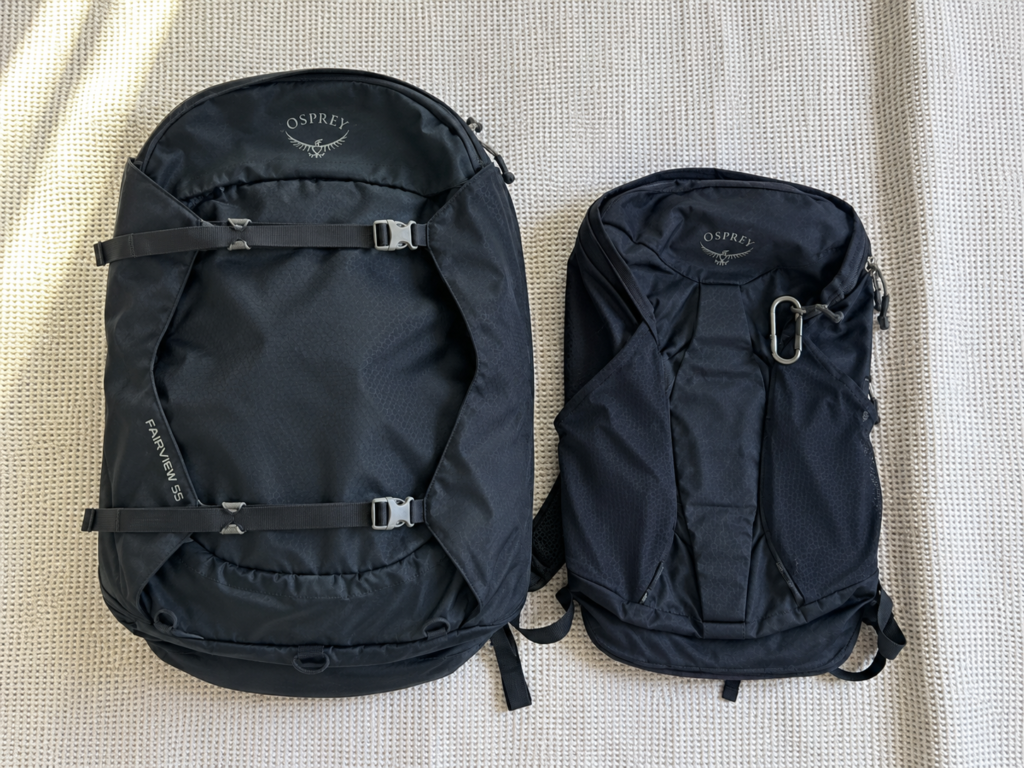
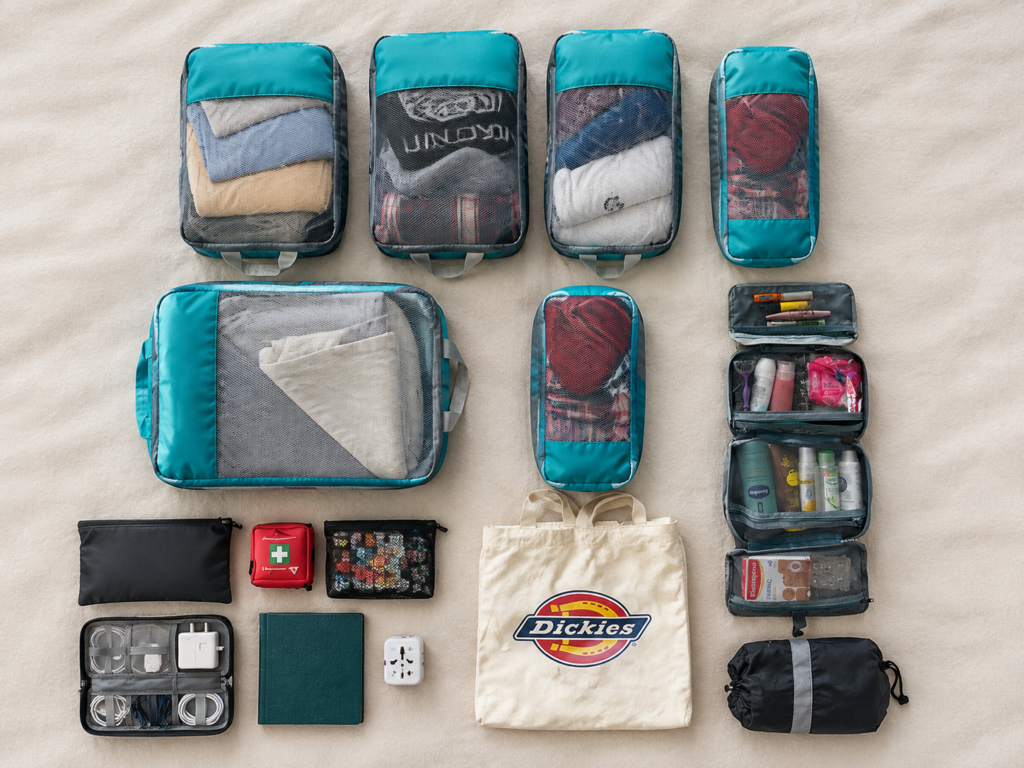
If there’s one thing I’d tell every first-time backpacker, it’s this: pack less. I know it can feel impossible when you’re trying to fit everything you might possibly need into one backpack. But trust me, you probably don’t need half of it.
When you’re travelling for weeks or months at a time, you’ll be carrying your backpack far more often than you expect. You’ll be getting on buses, trains, boats and planes, walking between accommodation and sometimes carrying everything you own up several flights of stairs. I definitely overpacked. The good news is that Southeast Asia is full of shops, markets and laundrettes, so you can buy things if you genuinely need them. You don’t need to pack six months’ worth of clothes for a six-month trip. One of my biggest packing lessons was to prioritise lightweight, versatile clothing that you can wear in different situations.
If you’re still working out what to take, I’ve put together a Southeast Asia Packing Guide, where I go into more detail about what is actually worth taking — and what you can probably leave at home and don’t forget that Southeast Asia isn’t always hot.
2. Don't underestimate how cold it can get
You’re probably imagining beaches, sunshine and tropical temperatures when you think about Southeast Asia. And yes, there is plenty of that, but I quickly learnt that warm clothes are still essential when backpacking Southeast Asia. I found the air conditioning in some hostels and buses surprisingly cold.
Once you head into mountainous areas, temperatures can also drop considerably, particularly at night. If you’re visiting places such as northern Vietnam or other mountainous regions, you’ll be very glad you packed a hoodie and a pair of trousers. You don’t need to take a huge amount of winter clothing with you, but having a couple of versatile layers can make a huge difference.
My advice: pack for the different environments you’re actually going to visit, not just the temperature you expect from looking at photos of Southeast Asia.
3. Check the seasons — but don't let them control your entire trip
Before travelling around Southeast Asia, you’ll probably come across the words rainy season or monsoon season quite a lot. It’s definitely worth understanding the weather before deciding where to go.
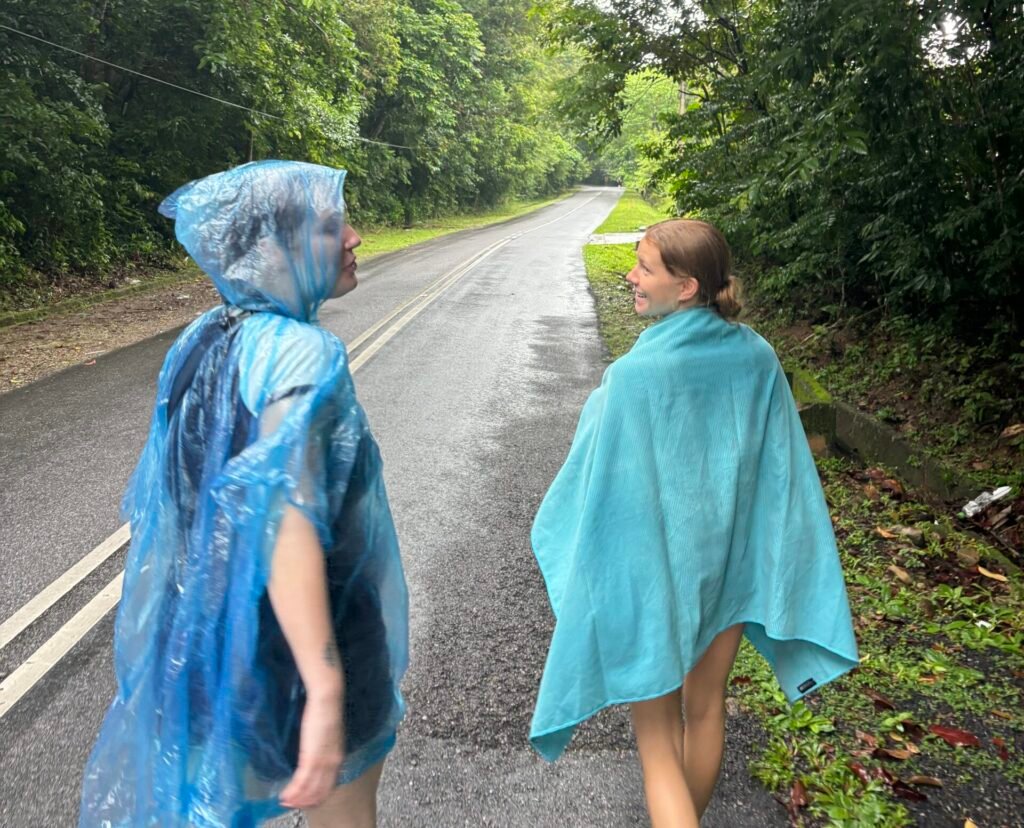
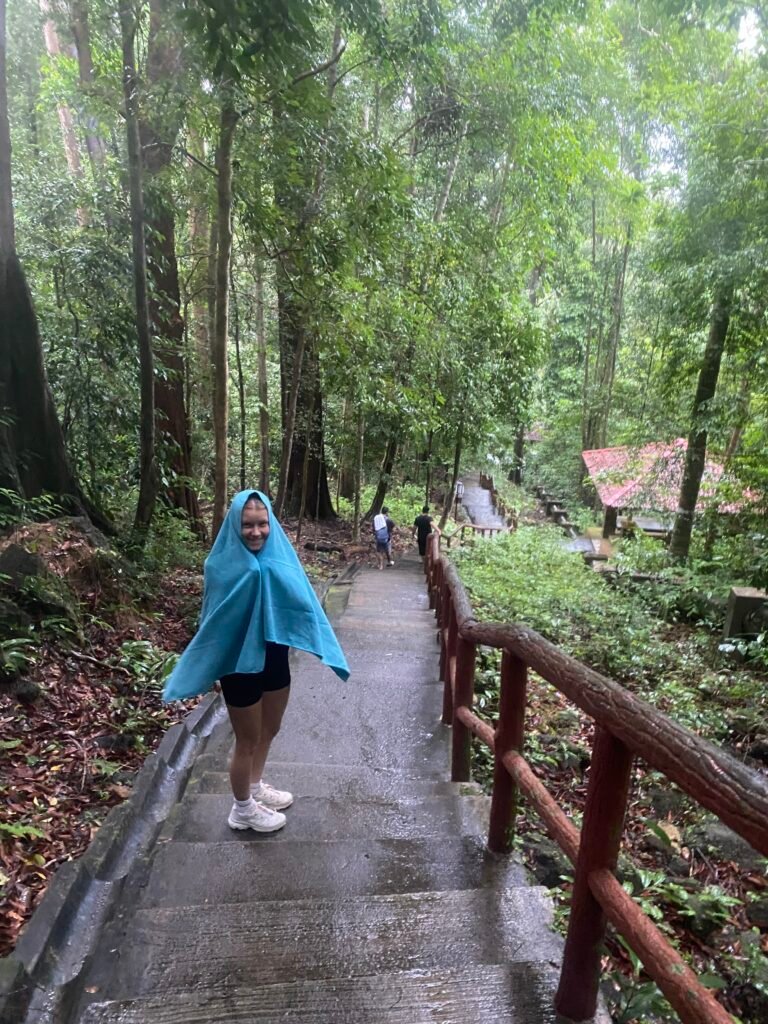
Rainy season happens at different times in different parts of Southeast Asia. Some places may experience heavy rainfall for several months, while other destinations can have very different weather at the same time of year. I learnt this first-hand when I visited northern Thailand. I had almost a full week of rain, with only one dry day. It doesn’t necessarily mean it will rain all day, every day, but heavy showers can last for several hours and can affect activities and travel plans. I didn’t let the rain stop me and sometimes, you have to use a travel towel as a rain coat.
If you’re travelling long-term, one of the biggest advantages is that you can be flexible. Rather than planning your entire trip months in advance, you can sometimes change your route depending on the weather. Which brings me to my next point…
4. Don't overplan your itinerary
I would absolutely recommend doing some research before you travel. But don’t plan every single day. One of the best parts of backpacking Southeast Asia is that your plans can change.
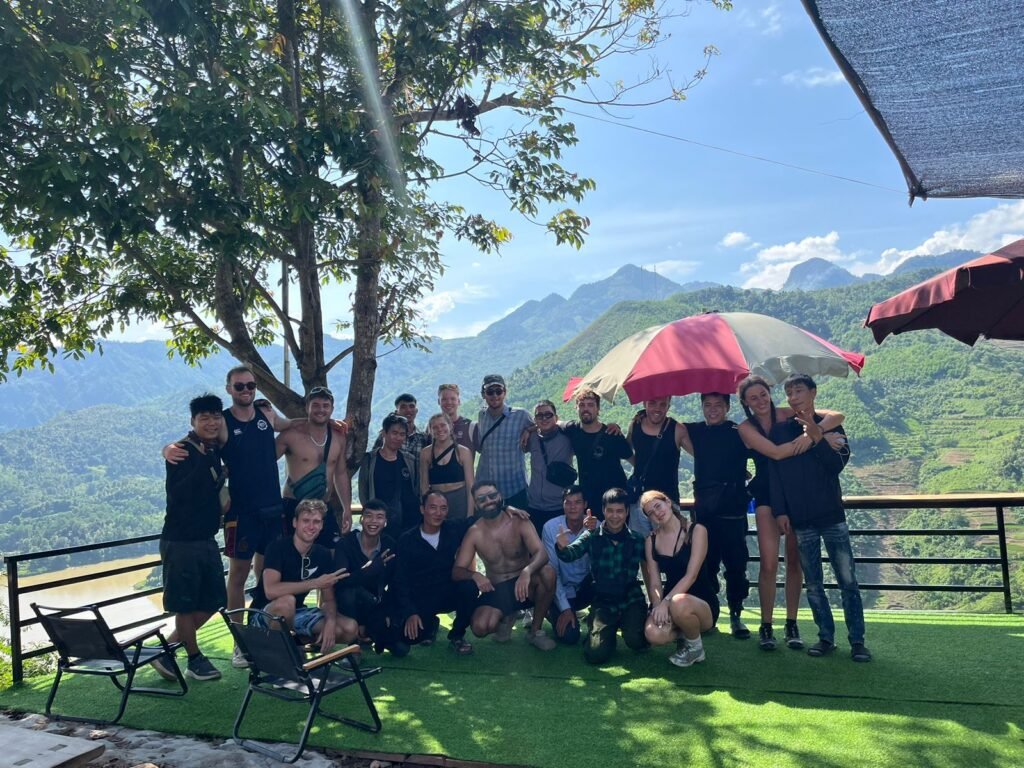
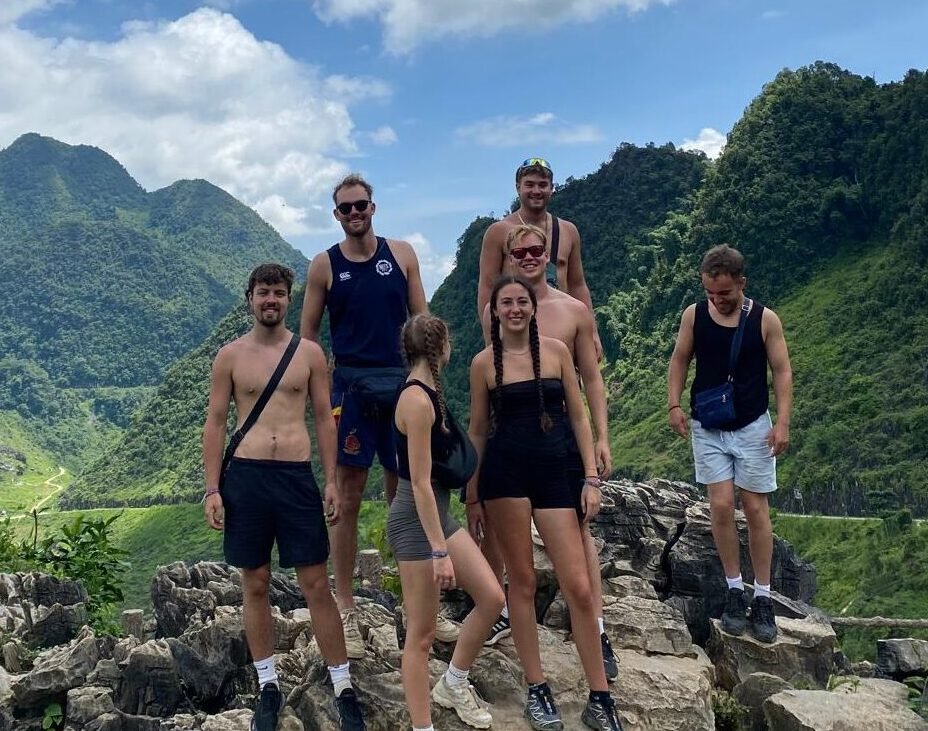
You might meet someone at your hostel who recommends somewhere you’ve never heard of. You might decide to stay somewhere for an extra few days because you love it. Or you might completely change your route because other travellers are heading somewhere that sounds amazing. Some of my favourite experiences weren’t planned at all. One of the best examples was meeting people on the Ha Giang Loop in Vietnam and ending up travelling with some of them for the next three weeks. If I had planned every day of my trip months in advance, that wouldn’t have happened. So, do your research, have an idea of where you want to go, but leave some gaps in your itinerary.
If you’re looking for somewhere to start planning your route, I’ve also put together my Southeast Asia backpacking itinerary, which gives you a rough idea of how you could structure a longer trip without planning every minute. A rough plan is often better than a rigid one.
5. Stay in hostels — at least some of the time
For me, hostels were a huge part of the travelling experience. They’re not just somewhere to sleep. They’re one of the easiest places to meet other travellers, find people to explore with and get recommendations for your next destination. I wouldn’t have met half of the amazing people I did if I hadn’t stayed in hostels. The hostels in Southeast Asia are amazing and I’d put them into three categories:
Party hostels
These are exactly what they sound like. They’re social, loud and often centred around drinking, games and organised activities. They can be brilliant if that’s what you’re looking for, but they aren’t necessarily the best choice if you’re hoping for an early night. For example, some hostels around Koh Phi Phi are well known for their party atmosphere. Mad Monkey Hostels are great fun, but known for being a very social and party oriented too.
Social hostels
These are probably the sweet spot for many backpackers. They’re designed to make meeting people easy without necessarily being centred entirely around partying. Look for hostels with communal areas, organised activities, group tours or social events. They often offer a good mix, so you can pick and choose what you want to do.
Smaller, quieter hostels
If you need some time to yourself, these can be a great option. You can still meet people, but the atmosphere tends to be more relaxed. When choosing a hostel, I’d recommend checking recent reviews and looking carefully at photos. A hostel can have an amazing rating but still not be the right atmosphere for you. Don’t assume you need a private room to have a good experience. Dorms can save you a significant amount of money, while private rooms in social hostels can give you a little more privacy without completely removing the social side of travelling.
6. Eat the local food
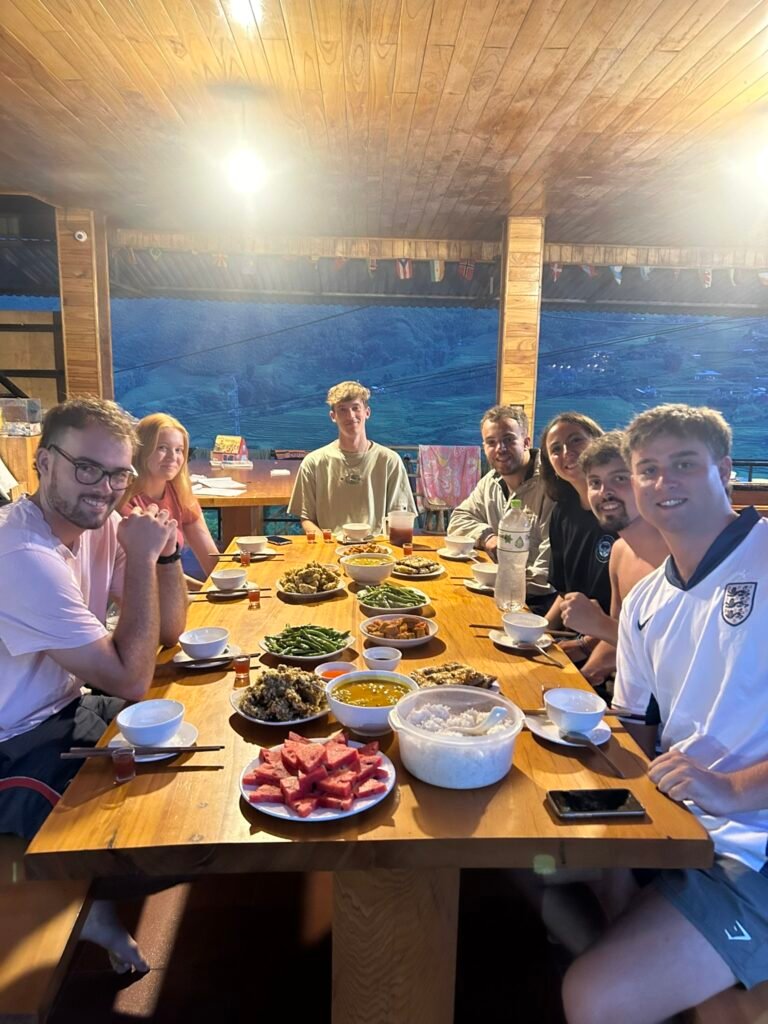
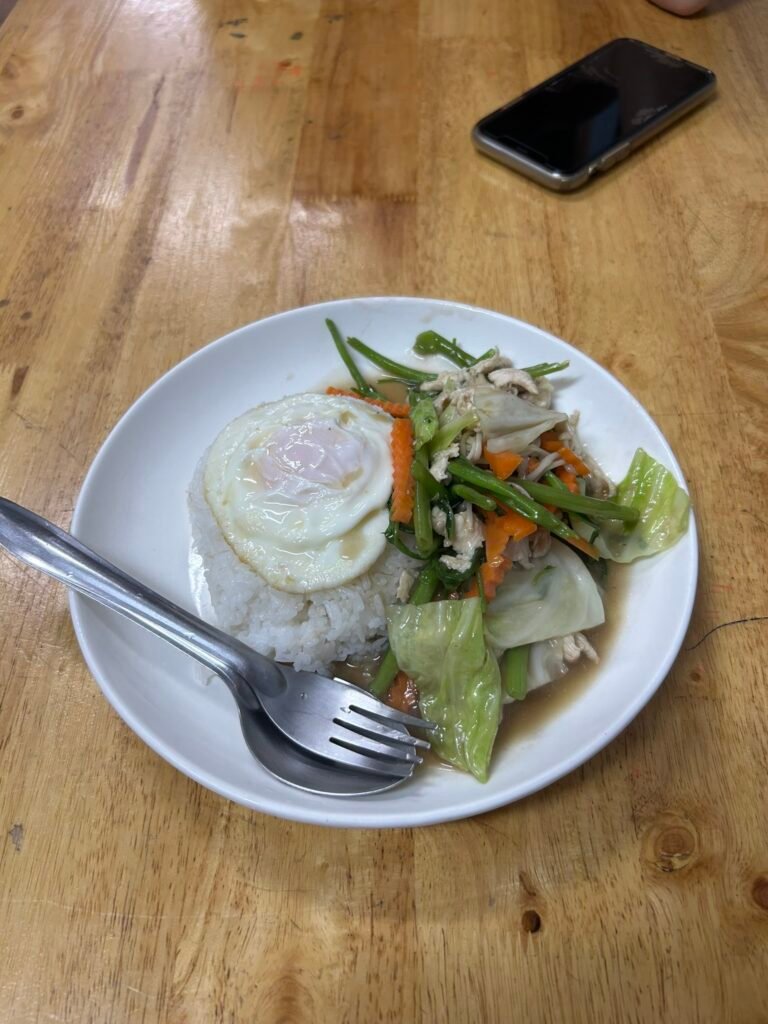
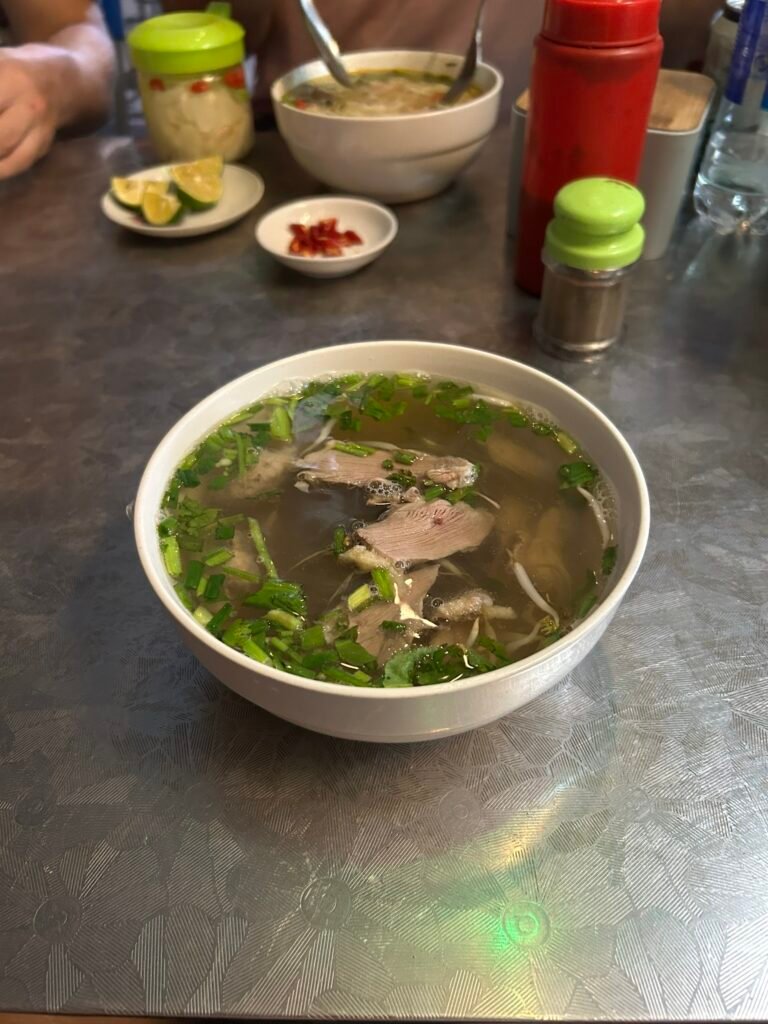
One of my favourite things about travelling around Southeast Asia is the food. Street food is often incredibly cheap, freshly prepared and full of flavour. And honestly, some of the best meals I have ever had. Interestingly, the one time I became ill, was from food at a fancy restaurant in Bali. Nasi Goreng, of all things! That’s not to say you shouldn’t be careful with food. You absolutely should use common sense, particularly when it comes to hygiene and food that has been sitting out, but don’t let the fear of getting ill stop you from trying local dishes.
You’ll often see the same familiar options on tourist menus — fried rice, noodles and Pad Thai — because they’re cheap and popular. But don’t spend your entire trip eating the same three meals. Try something you’ve never heard of. Vietnamese pancakes? Try them. A local curry you’ve never heard of? Try it. Something being unfamiliar doesn’t mean it won’t become your favourite meal of the trip. And if you don’t like spicy food, simply ask for ‘no spice’ or ask how spicy the dish is before ordering.
7. Learn the local customs
One thing I wish more first-time travellers understood is that you’re a guest in someone else’s country. Every country has different customs, expectations and social norms. You don’t need to know everything before you arrive, but doing a little research can help you avoid accidentally being disrespectful. For example, appropriate clothing can vary considerably between destinations.
In some places, walking around in beachwear outside of the beach or resort isn’t appropriate. Temples and other religious sites often have specific dress requirements, such as covering your shoulders and knees. Some tourist attractions provide sarongs or scarves for visitors, but I wouldn’t rely on this. It’s much easier to carry something lightweight that you can throw over your shoulders or legs when needed. A little research goes a long way.
8. Be aware of scams — without being paranoid
Scams do happen to tourists, but that doesn’t mean you should spend your entire trip worrying about them. You just need to be aware. Before arriving somewhere new, spend a few minutes researching the common tourist scams in that particular destination. Things like inflated taxi prices, unofficial tour operators, fake tickets or someone telling you that an attraction is closed can catch inexperienced travellers off guard.
The best thing you can do is stay aware of what’s happening around you. If something feels suspicious, don’t be afraid to walk away. And remember that most people you meet while travelling are simply going about their day and are not trying to scam you. hostels and hotels will often offer a range of activities, so if you are worries about booking something, this is a great option.
9. Prepare for the less glamorous side of backpacking
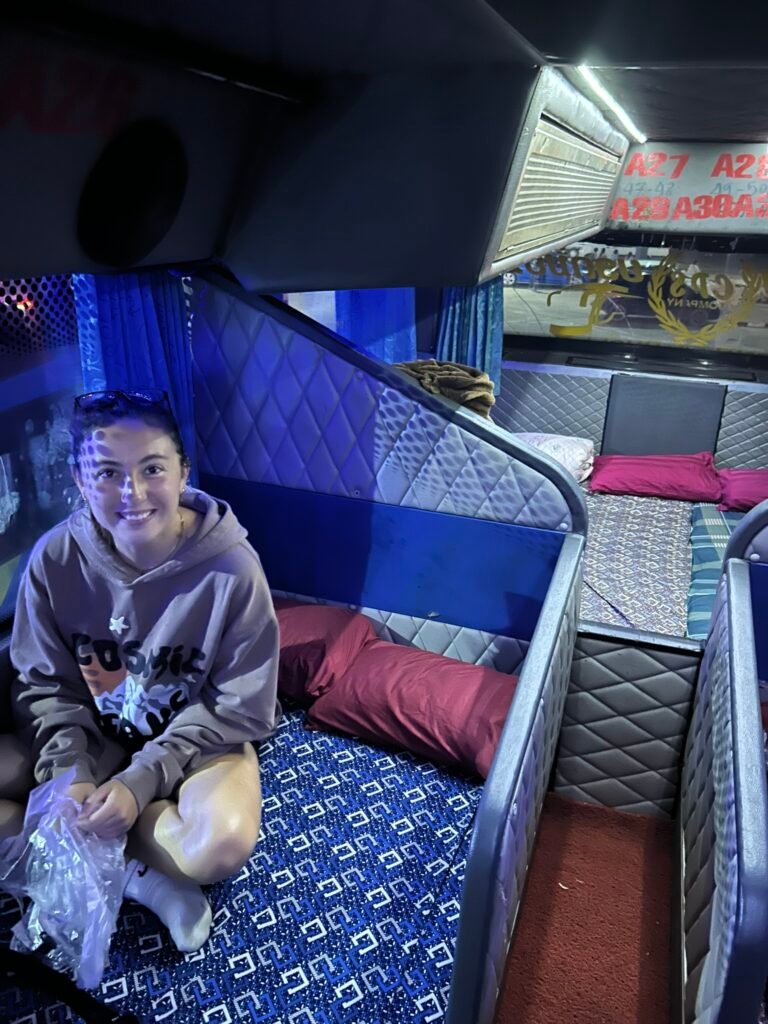
Instagram doesn’t tend to show you this part. Backpacking isn’t always beaches, sunsets and cocktails. Sometimes it’s sweating through your clothes on a long bus journey. Sometimes it’s desperately looking for a toilet. Sometimes your bus is cancelled, your accommodation isn’t quite what you expected or you’ve been travelling for 12 hours and just want a shower. And yes, at some point you may get an upset stomach.
I’d recommend carrying a small travel medical kit with the basics you might need, including medication you’re familiar with for stomach problems, as well as staying hydrated. Water safety also varies by destination, so check the guidance for each country you’re visiting and use bottled or properly treated water where necessary. The important thing is not to let these little inconveniences ruin your trip. They’re part of travelling.
If you’re working out your budget for a longer trip, my guide on How Much Does 6 Months Backpacking Southeast Asia Cost, which might also help you get a more realistic idea of where your money goes.
10. Stay in the moment
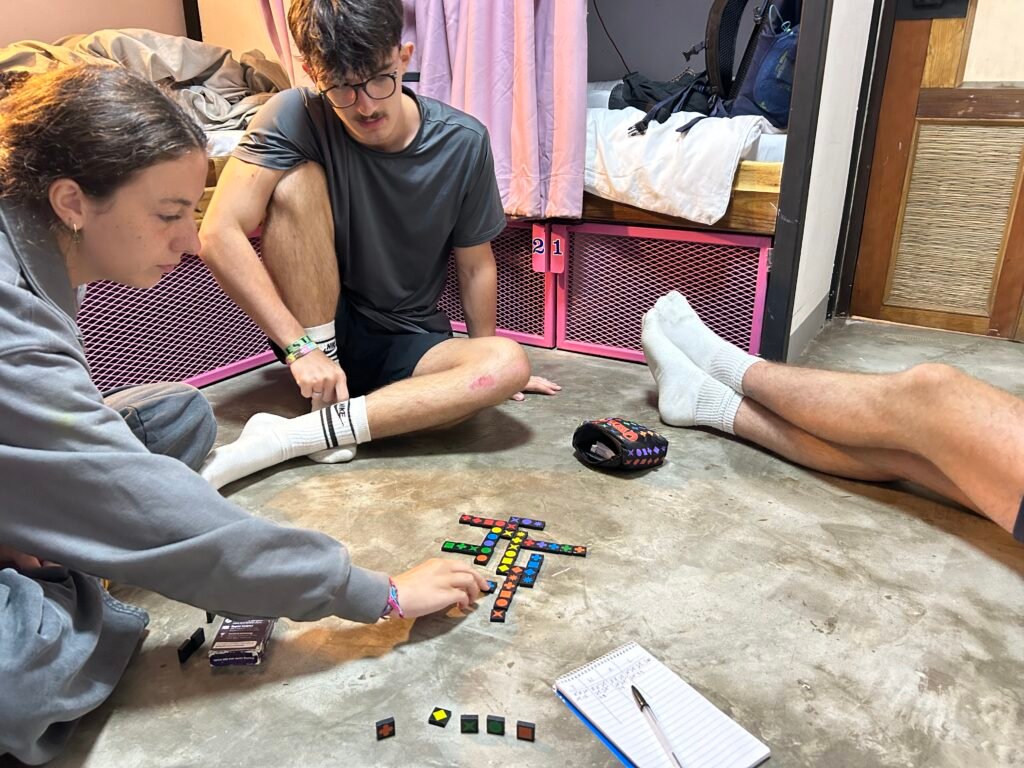
This is probably the most important thing I learnt. Backpacking opens up so many opportunities, so make the most of them. Try something you’ve never done before, whether it’s take a cooking class or learning a few words of the local language. Say yes to the day trip. Go for dinner with the people you met at your hostel. Take the slightly longer route because it looks interesting. You might never get the same opportunity again and remember that not everything will go perfectly.
Flights and buses will get delayed or even cancelled, plans change. Sometimes you might simply have a bad day and that’s okay. You don’t need every moment of your trip to be perfect for the experience to be amazing. Some of my favourite memories came from moments I hadn’t planned
Final thoughts
After 18 months of travelling and living abroad, I still don’t think there’s a perfect way to backpack Southeast Asia. Everyone’s trip will look different. You might travel for two weeks or six months. You might stay in dorms the entire time or mix hostels with private rooms. You might have a detailed itinerary or decide where you’re going the night before. And that’s why travelling is amazing. It is what you make it!
If I could go back and give myself one piece of advice before my first backpacking trip, it would be:
- Pack less, plan less and be open to whatever happens.
- The things you planned months in advance might not end up being your favourite memories.
- The unplanned moments might.
If you’re currently planning your first Southeast Asia backpacking trip, you can also explore my Southeast Asia travel guides for more practical advice on routes, budgets, packing and destinations.