
Empowering Success Together
Achieve Your Goals with Our Expert Guidance
We provide comprehensive solutions and support to help you reach new heights.
Ha Giang Loop: The Complete Backpacker's Guide to Vietnam
The Ha Giang Loop was one of those places I kept hearing about while backpacking Vietnam. Everyone seemed to have the same advice: ‘You must do it.’ After seeing the photos of winding mountain roads and tiny villages scattered across the valleys, it wasn’t difficult to understand why.
Located in the far north of Vietnam, close to the Chinese border, the Ha Giang Loop is a roughly 350-kilometre journey through some of the country’s most dramatic landscapes. The route takes you through mountains, remote villages and the Dong Van Karst Plateau, with the famous Ma Pi Leng Pass providing one of the most spectacular sections of the entire journey. But there is more to planning the Ha Giang Loop than simply booking onto the trip. How many days do you need? Should you drive yourself or book an Easy Rider? How much does it cost? Is it actually safe? And what should you pack?
This guide covers everything I would want to know before booking the Ha Giang Loop as a backpacker.
Quick answer: Is the Ha Giang Loop worth it?
Yes — if you’re looking for adventure, incredible scenery and an experience like no other.
The Ha Giang Loop is one of the most memorable experiences you can have while backpacking Vietnam. But it isn’t exactly a relaxing road trip. The roads are mountainous, winding and sometimes exposed, and conditions can change quickly. You can also spend several hours riding each day, so it’s important to be realistic about your experience and confidence on a motorbike. For most first-time visitors, I would recommend allowing 4 days rather than trying to squeeze everything into 3.
A typical 4-day route is:
Ha Giang → Tam Son → Yen Minh → Lung Cu → Dong Van → Meo Vac → Du Gia → Tam Son → Ha Giang
The exact route varies between tours, and some itineraries include additional detours.
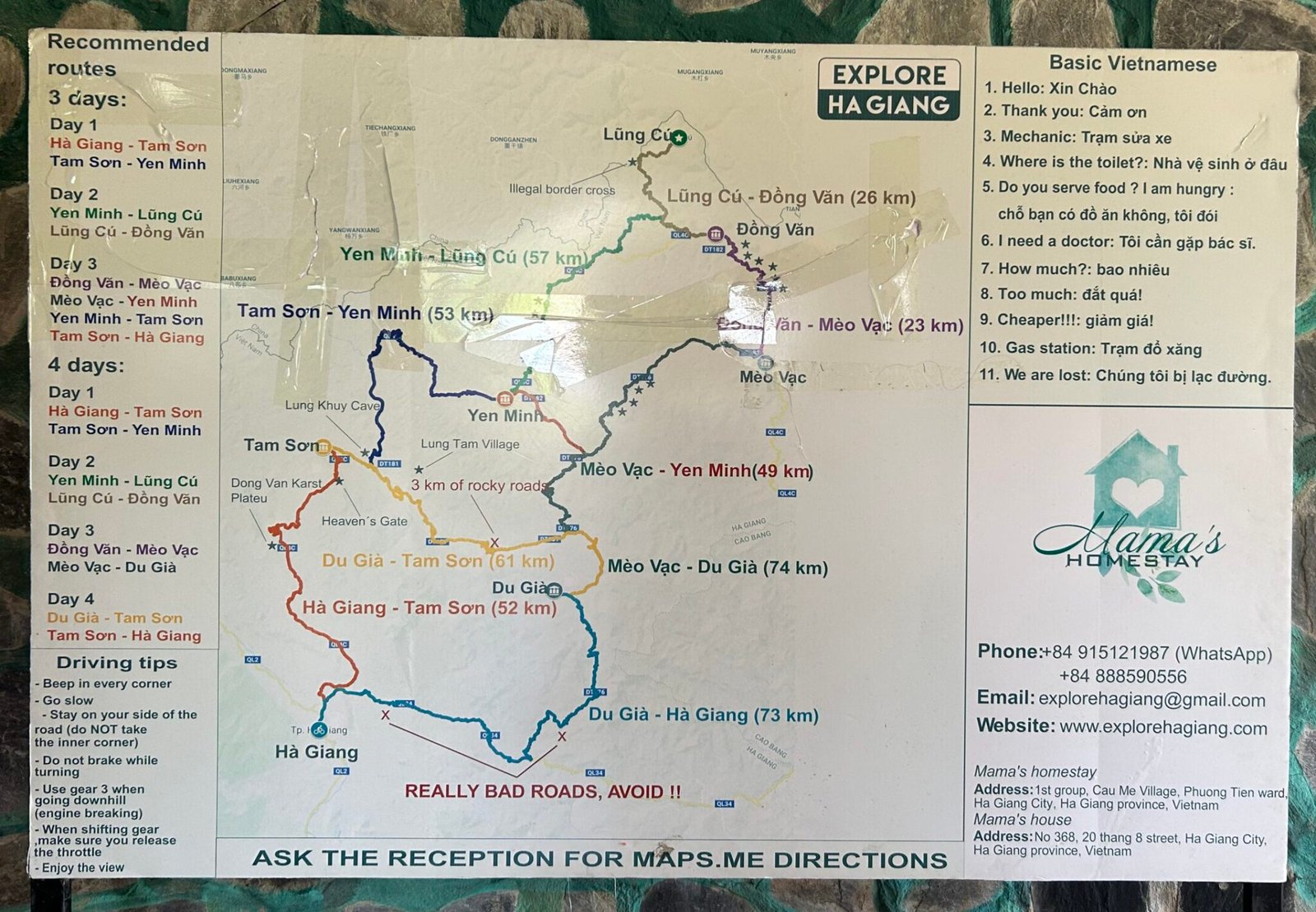
Ha Giang Loop 4-Day Itinerary
Day 1: Ha Giang → Tam Son → Yen Minh
After checking in with your tour company and meeting your ‘easy rider’ and group, the moment you’ve been waiting for has arrived — it’s time to hop on the bike and start the Ha Giang Loop. Your first day takes you out of Ha Giang City and into the mountains. The landscape changes quickly as you leave the city behind.
Stops to look out for:
- Bac Sum Pass
- Heaven’s Gate
- Quan Ba Twin Mountains
- Quan Ba Valley
- local villages
- mountain viewpoints
The Quan Ba Twin Mountains are one of the first recognisable landmarks on the route. After stopping in the Quan Ba area, you’ll continue towards Yen Minh, passing through increasingly mountainous scenery.
Where to stay
I booked my trip through Mama’s Homestay, so I didn’t have to worry about anything while on the trip, because everything was planned. Most organised tours will arrange accommodation for you, often in a local homestay. All the accommodation was pre-booked, so this wasn’t something I needed to worry about. However, if you are planning to drive yourself, it’s worth doing some research and choosing where on your road trip you would like to stay. Expect a bed, basic facilities, good food and super social experience. There is also often an option to update your package to include a private room, but this does come at an additional cost.
Yen Minh
Yen Minh is a popular first-night stop and gives you a chance to rest before the longer sightseeing sections of the following days.
Day 2: Yen Minh → Lung Cu → Dong Van
Day two is when the landscape really starts to feel like the Ha Giang Loop you’ve seen in photos. This routes include:
Tham Ma Pass
A famous section of winding road where the mountain seems to fold back on itself. It’s one of those places where you’ll probably want to stop for photographs.
Lung Cu Flag Tower
Lung Cu is located close to Vietnam’s northern border. It was rather windy and rainy while we were climbing the stairs to the top, but definitely worth seeing the 360° views. It’s worth checking the route your tour follows before assuming you’ll visit it.
Lo Lo Chai Village
This was a relatievly brief stop, but enough time to grab a drink and again take in the surrounding views.
You’ll eventually arrive in Dong Van, where you can spend the evening wandering through the charming Old Quarter and taking in the town’s atmosphere. Or, if you’re anything like me, you might end up swapping sightseeing for a swim, a fun evening socialising with the group, singing karaoke andnof course, enjoying an incredible meal together. And whatever you do, don’t forget to try the famous “happy water” – the local rice wine that’s often shared over dinner!
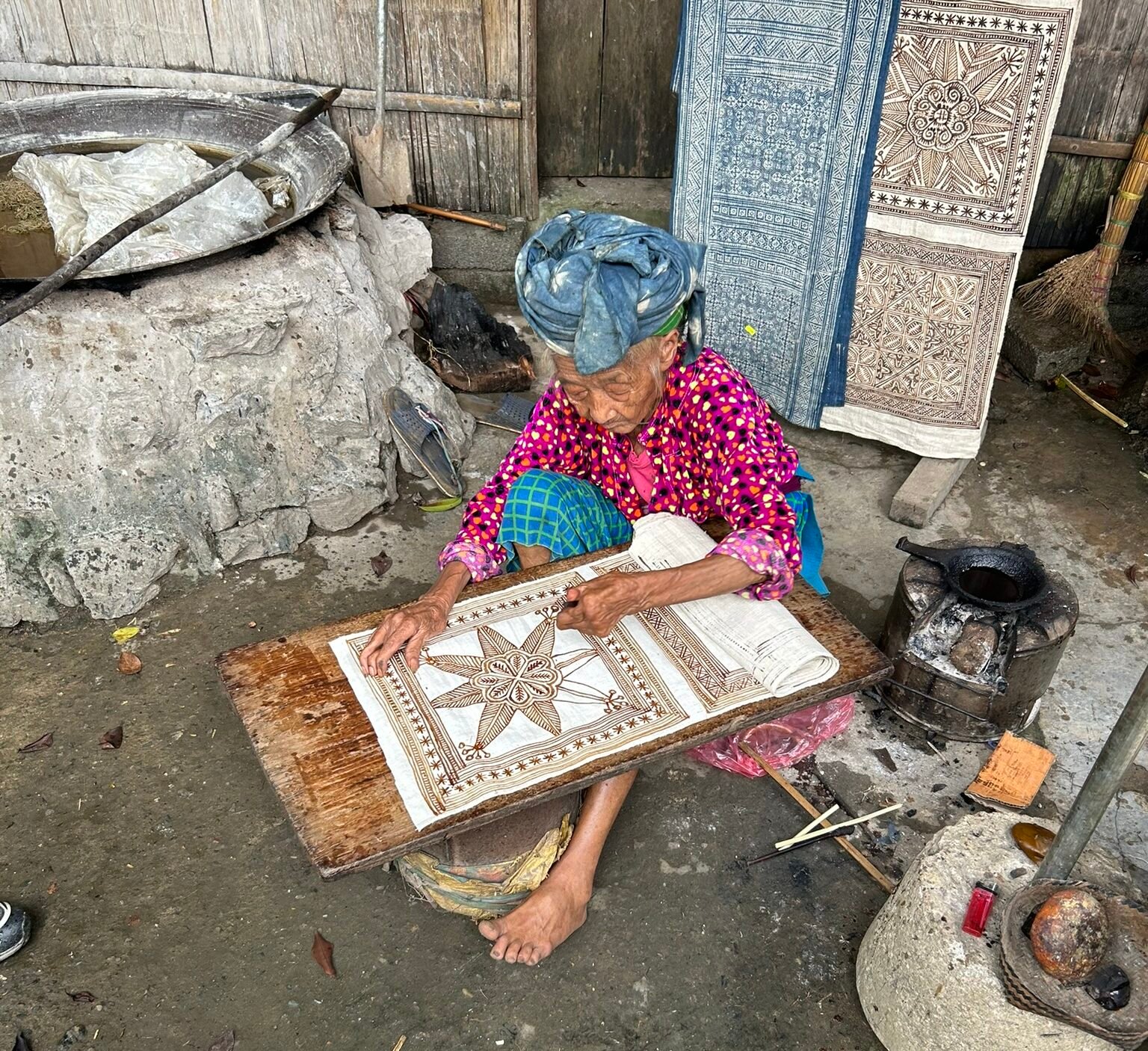

Day 3: Dong Van → Meo Vac → Du Gia
This is the day you’ve probably been waiting for.
Ma Pi Leng Pass
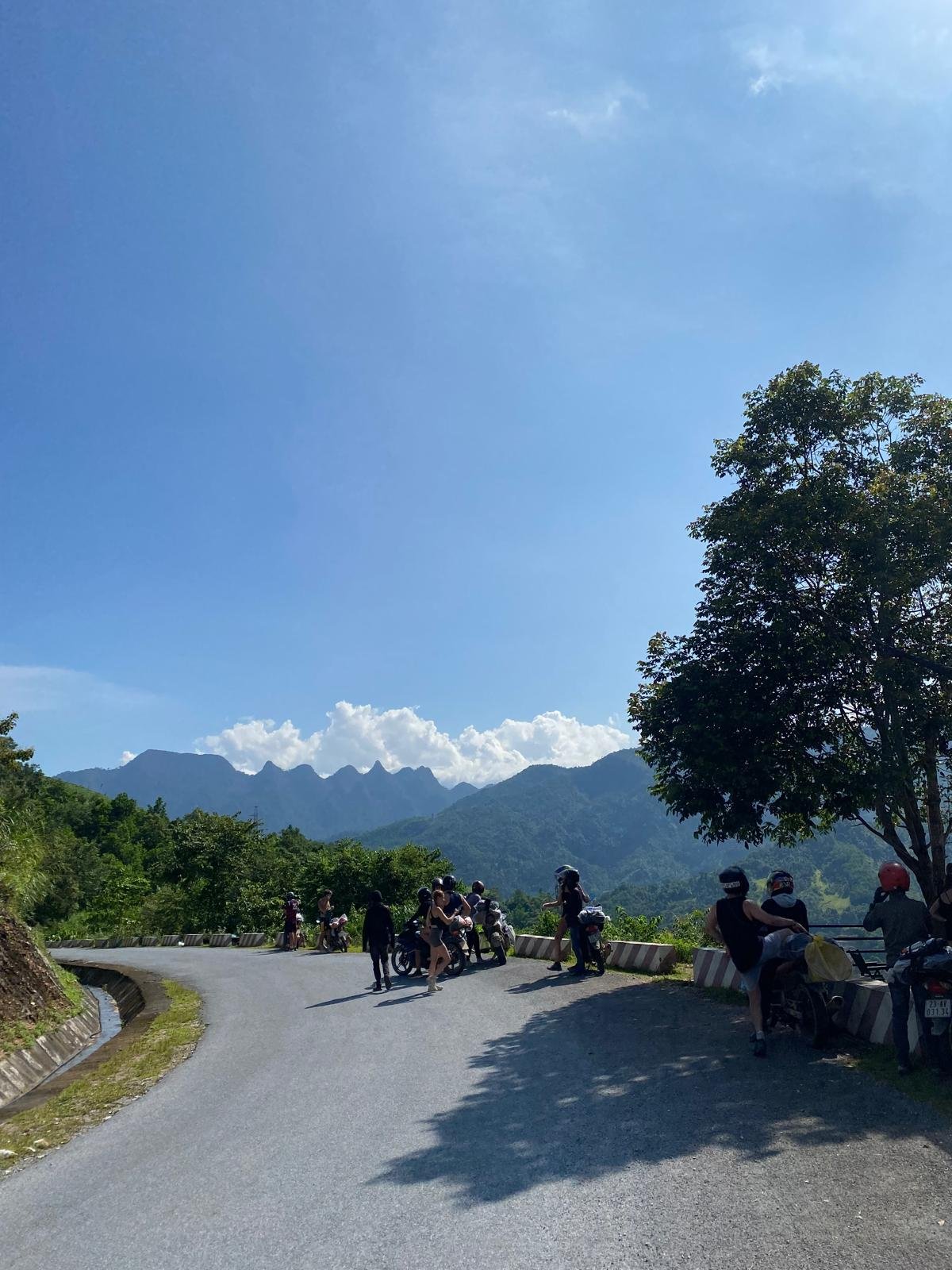
Often described as one of Vietnam’s most spectacular mountain passes. The road winds dramatically along the mountainside, with the Nho Que River far below.
Nho Que River
Getting down to the river was an extremely bumpy experience. The lack of road leading down was a little unnerving, but such a laugh.When you finally make it down to the river, you will take will take a boat trip on the Nho Que River through the Tu San Canyon. Whether you include this depends on your itinerary, weather and how much time you have.
The scenery is incredible and tour company has a slightly different route and itinerary. Sometimes the best part of the Ha Giang Loop is simply pulling over somewhere quiet and taking in the view. What amazed me, was that it was completely different to anything I had done before
You’ll then continue towards Meo Vac.
Day 4: Du Gia → Tam Son → Ha Giang
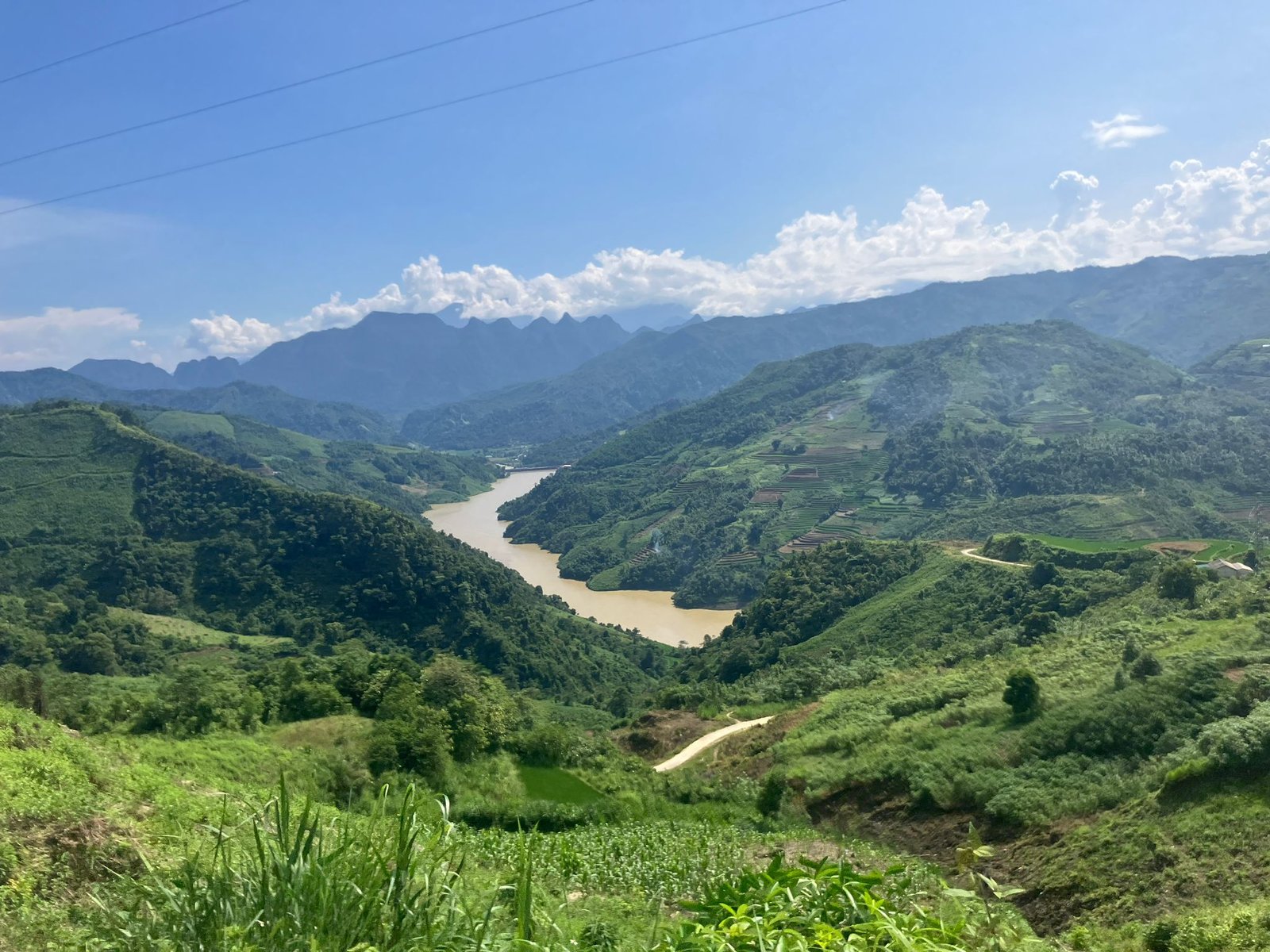
Your final day takes you back towards Ha Giang. One of the biggest advantages of choosing a four-day itinerary is being able to include Du Gia rather than rushing straight back. Du Gia is surrounded by mountains and is known for its rural scenery and waterfall. It’s a much quieter-feeling part of the route and, for many backpackers, becomes a favourite stop. After Du Gia, you’ll continue back towards Ha Giang City. Depending on your onward travel plans, you may arrive in Ha Giang in the afternoon and catch an evening/night bus toyour next destination.
Should you drive the Ha Giang Loop yourself?
1. Self-drive
You hire a motorbike and ride the loop yourself.
Pros:
- More freedom
- You control your own pace
- Can be cheaper
- More independent
- No need to follow a group
Cons:
- You need genuine riding experience
- Mountain roads can be challenging and unpredictable
- You are responsible for navigation
- You need to understand the legal and insurance requirements
- You are responsible if something goes wrong
And this is where I’d be very careful. The Ha Giang Loop is not the place I’d recommend learning to ride a motorbike for the first time. The UK government’s current Vietnam travel advice specifically warns that motorbike travel is considerably riskier than in the UK and advises inexperienced riders not to hire a motorbike.
2. Easy Rider
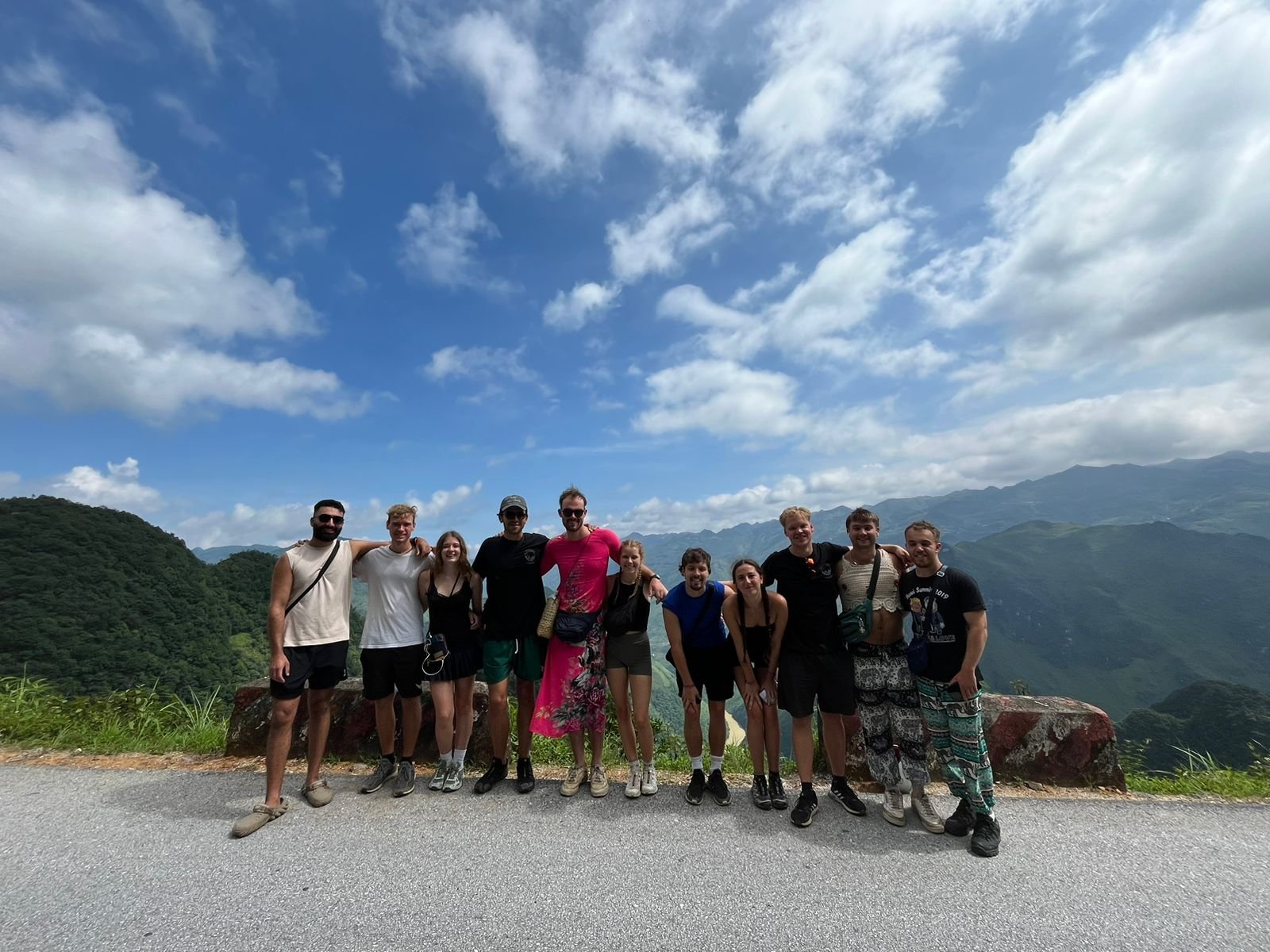
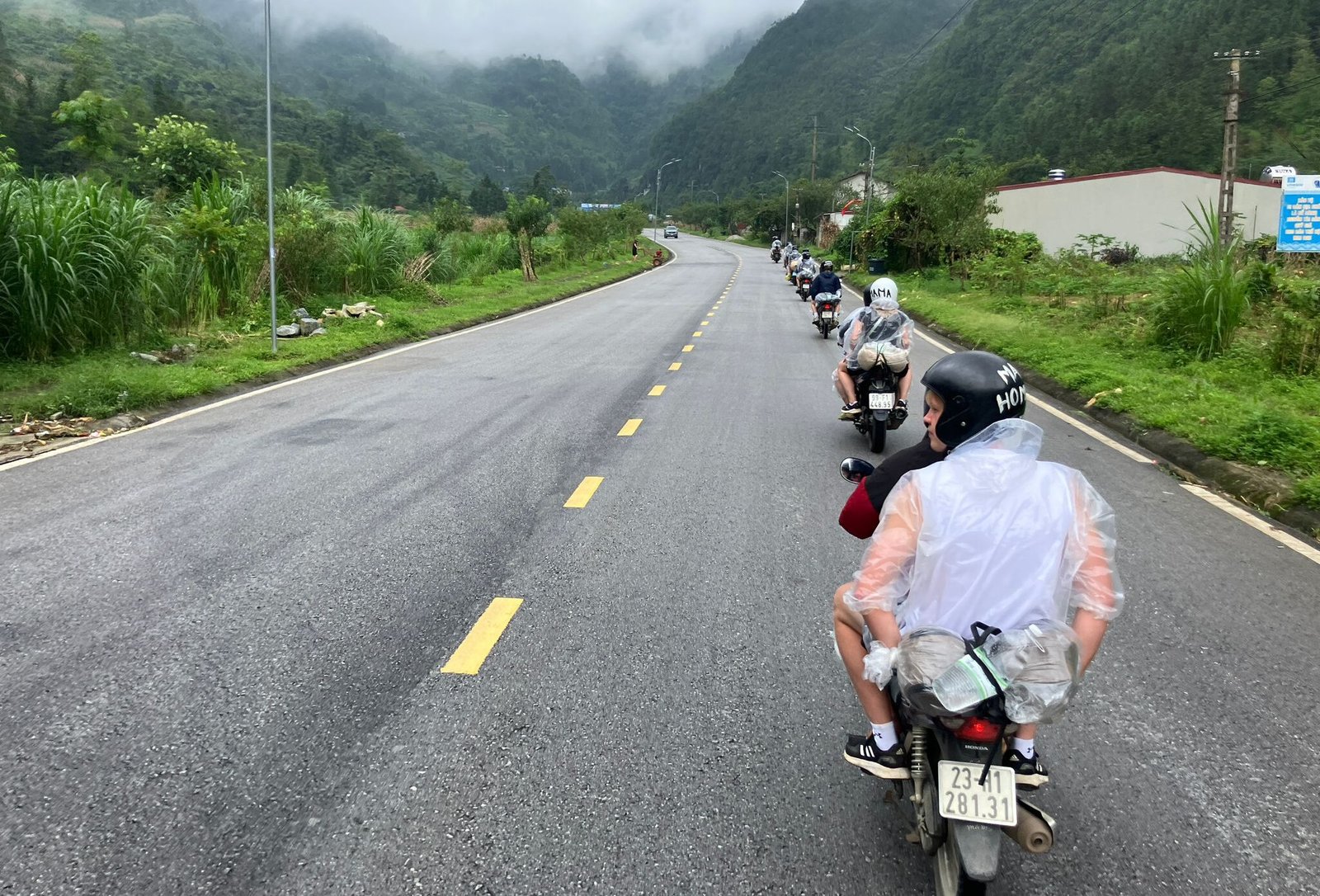
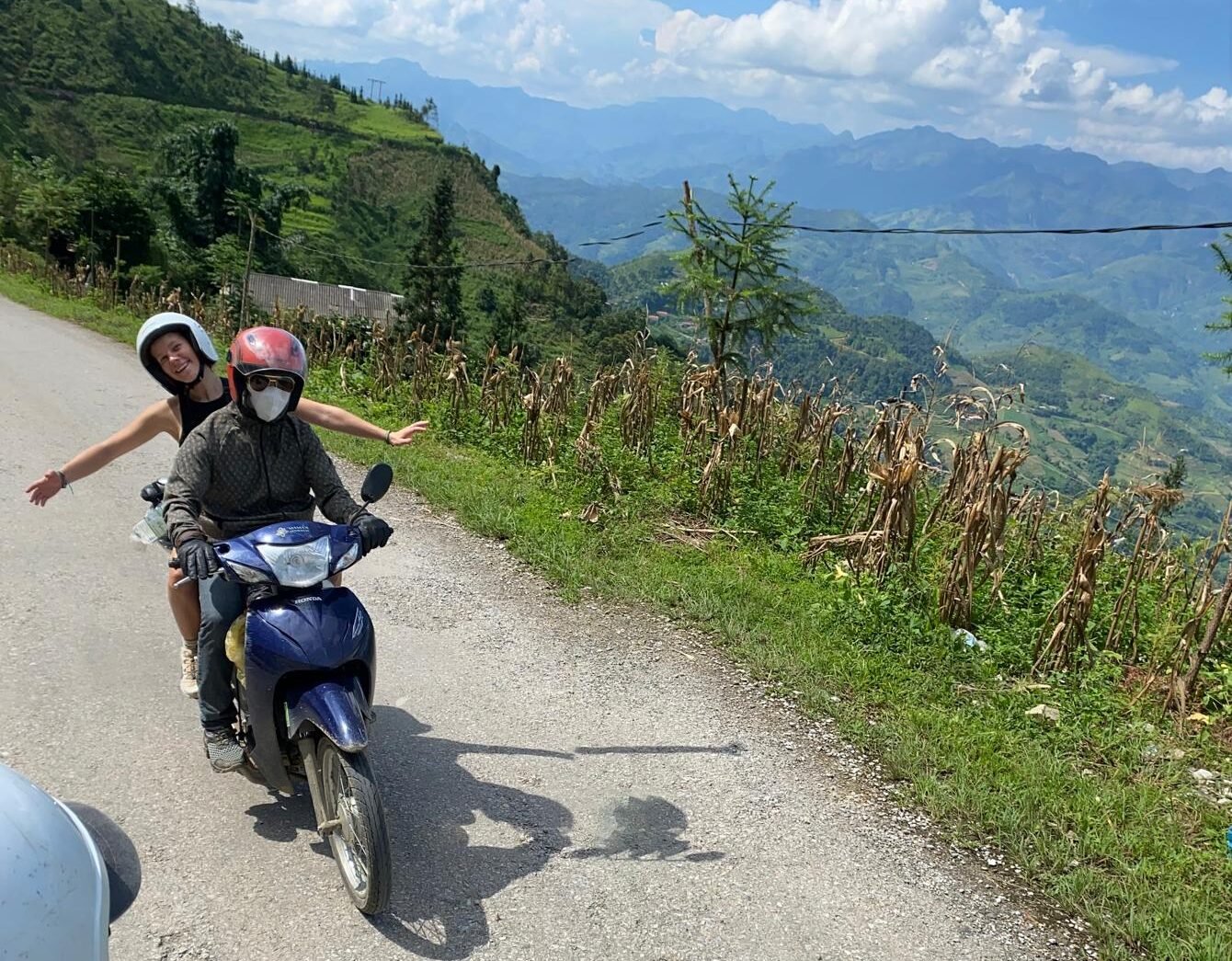
An Easy Rider means you ride as a passenger behind an experienced local driver. For many backpackers, like myself, this was the best option. You still experience the mountains and roads, but you don’t have to concentrate on navigating hairpin bends for several hours a day. We had around 12 people in our group, which was a great size and meant we could get to know everyone.
It’s particularly appealing if:
- You’ve never ridden a motorbike before
- You aren’t confident riding in Vietnam
- You want to meet other backpackers
- You want to enjoy the scenery rather than focus on driving
3. Private tour
A private car/jeep option is another possibility. It costs more and doesn’t give you quite the same motorbike experience, but it can be a good choice if you’re uncomfortable on a bike.
How much does the Ha Giang Loop cost?
The price varies significantly depending on how you travel. A self-drive trip will generally be cheaper than an Easy Rider or private tour, but you’ll need to account for your bike, fuel, accommodation and food. Current 2026 guides put three-day self-drive costs roughly around £50–£110, while Easy Rider options can range from roughly £100–£250+, depending on what’s included and whether you choose a group or private experience.
For a backpacker, your costs might include:
| Expense | What to budget for |
|---|---|
| Motorbike rental | Depends on bike and tour |
| Easy Rider | More expensive but includes a driver |
| Fuel | Extra for self-drive |
| Accommodation | Usually homestays |
| Food | Often included on organised tours |
| Nho Que boat | Optional |
| Entrance fees | Some attractions charge separately |
| Hanoi ↔ Ha Giang bus | Extra |
| Travel insurance | Essential |
Always check exactly what your tour price includes. I chose Mama’s Homestay, because I had been recommended them by other backpackers, but there are many other options. A cheap-looking tour isn’t necessarily cheaper if you discover later that transport, food, fuel or activities aren’t included.
How do you get to Ha Giang?
Most backpackers travel to Ha Giang from Hanoi. There is no train or airport in Ha Giang City, so road transport is the usual option. The journey from Hanoi is around 6–7 hours by bus, although journey times varies.
Sleeper bus
For backpackers, a sleeper bus is usually the most convenient option. Many travellers take an overnight bus from Hanoi, arrive in Ha Giang early in the morning and start the loop later that day. Many of the tour companies provide trnsport to Ha Giang and from, or to your next destination
When is the best time to do the Ha Giang Loop?
September – December
This is often considered one of the best periods. The weather can be cooler and the rice terraces can add golden colours to the landscape. You may see buckwheat flowers and other seasonal blooms across the region. Vietnam Tourism highlights autumn and the later months of the year for pleasant conditions and seasonal flowers.
Winter
Temperatures can be surprisingly cold in the mountains. Pack layers rather than assuming Vietnam automatically means hot weather.
Summer / rainy season
The landscape becomes incredibly green, but rain can make mountain roads more challenging. Heavy rain can also increase the risk of flooding and landslides in mountainous areas. The FCDO specifically warns travellers about flooding, swollen rivers and landslides in rural and mountainous areas.
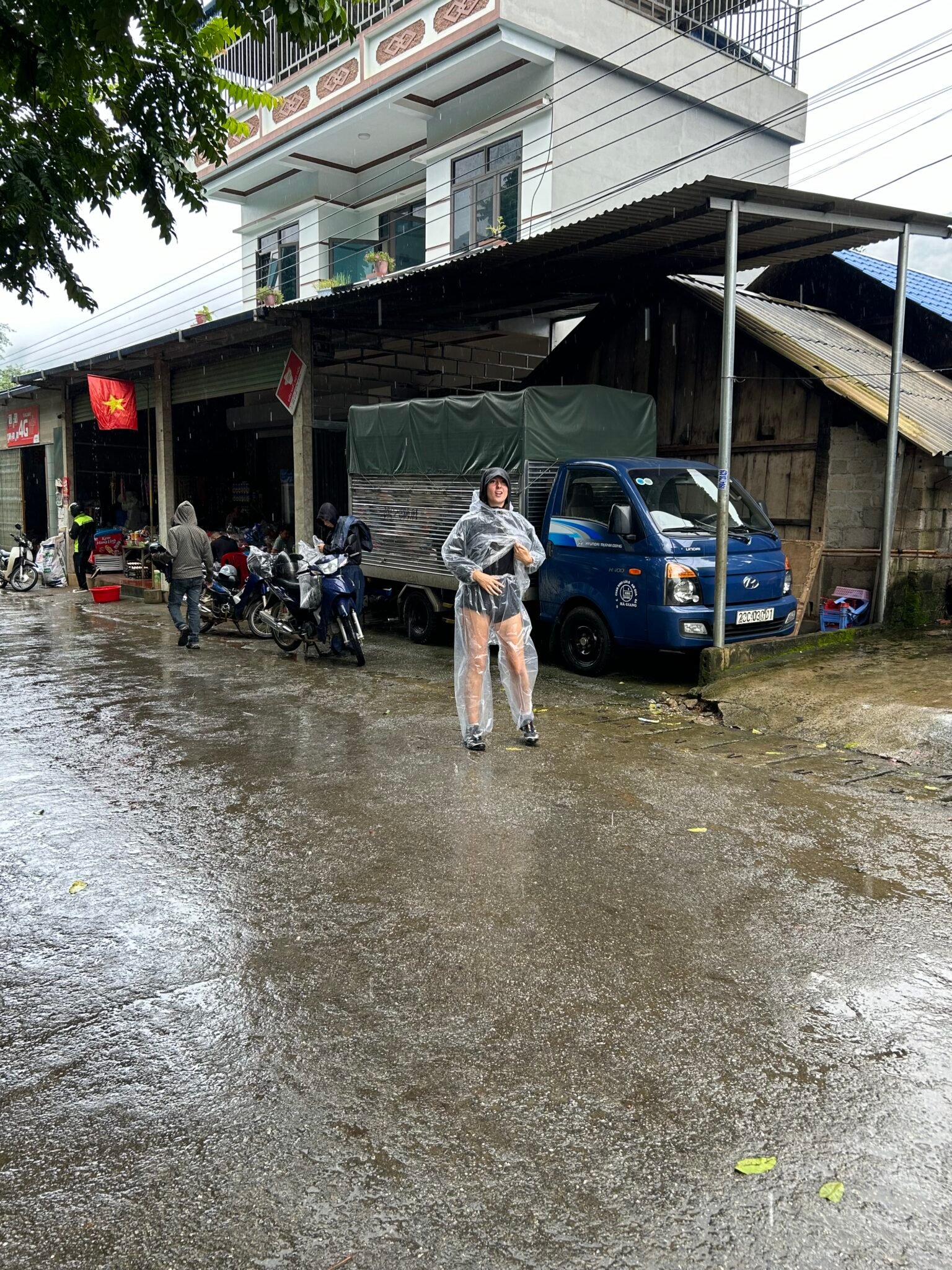
I did the loop in early August. The first day and a half was wet and grey, but we just put on our waterproofs and carried on. The remainder of the trip was boiling hot and sunny, which goes to show the unpredictability of the weather in the mountains.
My advice?
Don’t choose your dates purely based on Instagram photos. Check the weather forecast shortly before you go and be prepared to change your plans if conditions are poor.
What should you pack for the Ha Giang Loop?
The biggest mistake is bringing your entire backpack. You don’t need everything you’ve packed for your Vietnam trip. Most hostels and tour operators will allow you to leave your main backpack in Ha Giang while you take a smaller bag around the loop.
I’d take:
- Small backpack/day bag
- Lightweight clothing
- Warm layer
- Waterproof jacket
- Comfortable shoes
- Sunglasses
- Sunscreen
- Phone
- Portable charger
- Reusable water bottle
- Basic toiletries
- Cash
- Passport copy
- Travel insurance details
- Any medication you need
- Gloves if travelling in cooler weather
And most importantly, pick a decent helmet. The quality of helmets available can vary, so don’t simply accept the first helmet you’re given without checking its condition. The FCDO advises using a good-quality helmet and checking your motorbike thoroughly before riding.
For more general Southeast Asia packing advice, see my guide to [What to Pack for Southeast Asia Backpacking].
Where do you stay on the Ha Giang Loop?
Accommodation is generally simple and local. You’ll often stay in homestays rather than conventional hotels, but I think this is all part of the experience.
This is one of my favourite things about the loop.
Don’t expect luxury, unless this is what you have paid for.
Instead, expect:
- simple beds
- shared spaces
- local food
- communal dinners
- other backpackers
- hosts who can help organise your next day’s route.
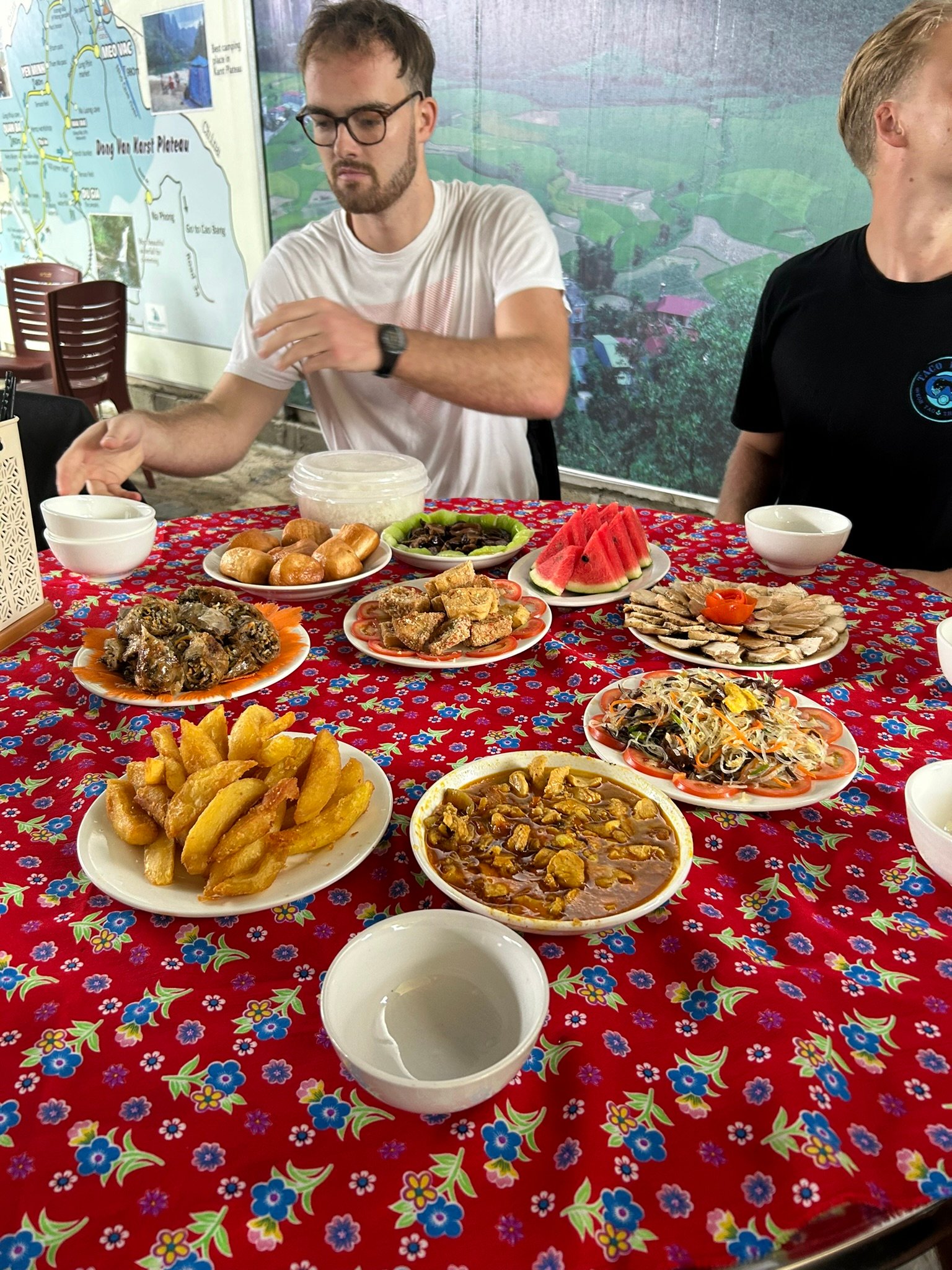
What should you eat?
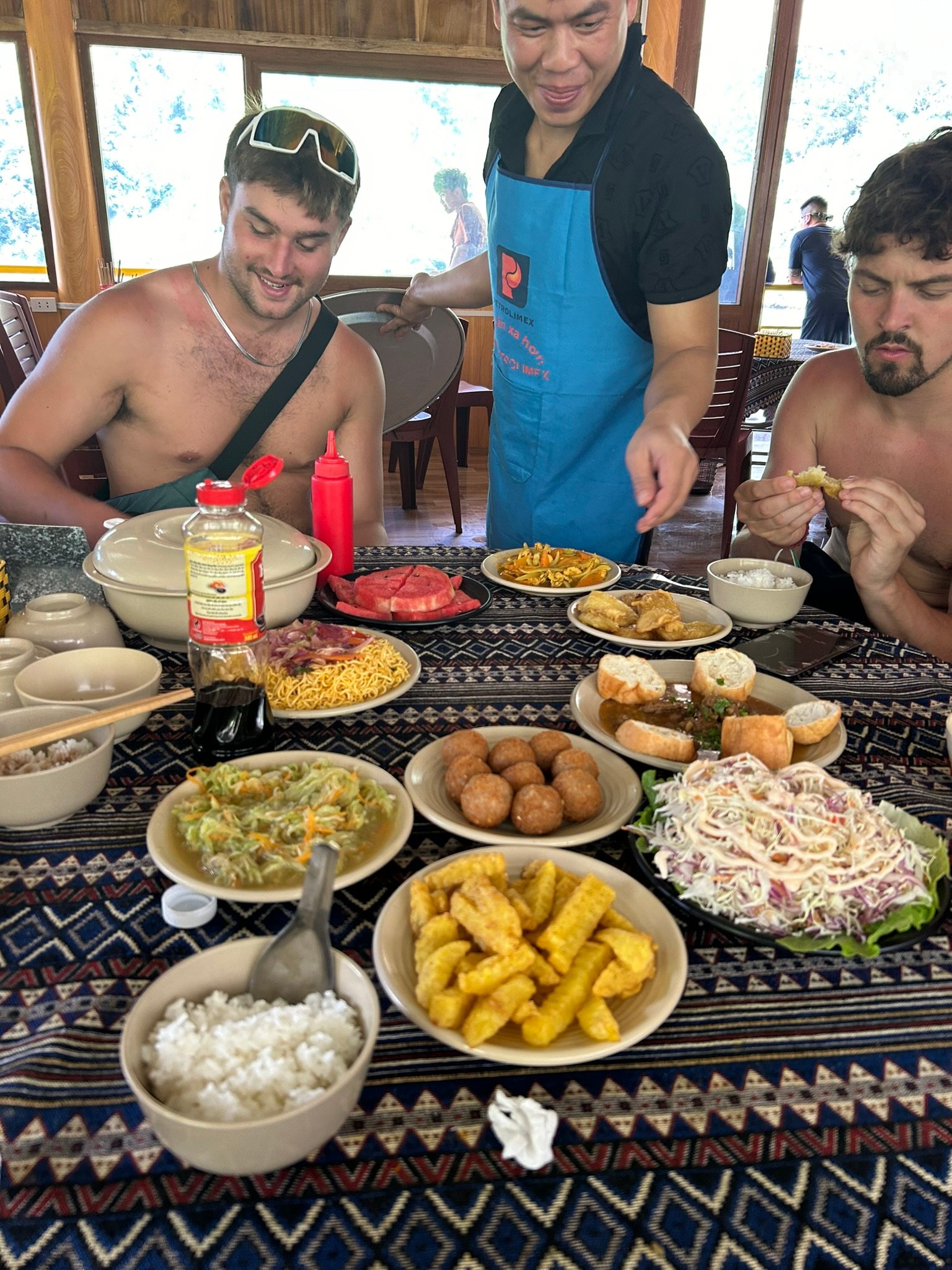
Don’t expect the same restaurant selection you’ll find in Hanoi or Hoi An. Food on the loop tends to be simple Vietnamese and regional dishes, particularly at homestays.
You’ll likely come across:
- Rice dishes
- Noodles
- Stir-fries
- Spring rolls
- Local vegetables
- Grilled meats
- Happy Water
If you’re travelling on a budget, food is another reason the Ha Giang Loop can be relatively affordable compared with some organised adventure trips elsewhere.
Ha Giang Loop safety tips
This is the section I would not skip. The scenery makes the Loop look like the perfect carefree motorbike adventure on TikTok. It isn’t.You’re riding through mountainous terrain, often on narrow and winding roads. The FCDO warns that motorbike accidents in Vietnam have killed and seriously injured British nationals, and recommends checking your bike, using a reputable rental organisation, wearing a helmet and ensuring your insurance covers your activit
My biggest safety tips:
Don’t learn to ride here – If you’re a beginner, choose an Easy Rider.
Don’t drink and ride – Vietnam has strict drink-driving laws, and the FCDO warns that you can face serious consequences.
Don’t rush – There is no prize for finishing the loop first.
Check the weather – Fog and heavy rain can make mountain roads significantly more difficult.
Don’t ride at night – Plan your day so that you’re arriving at your accommodation before dark.
Wear a proper helmet – And don’t assume that because everyone else is doing something, it is automatically safe.
How to choose a Ha Giang Loop tour
If you decide against self-driving, you’ll find plenty of tour companies offering the loop. Don’t just choose the cheapest option. Before booking, ask:
Check what’s included?
- accommodation
- meals
- fuel
- transport from Hanoi
- motorbike
- Easy Rider
- entrance fees
- Nho Que boat trip
- insurance
How large is the group?
A group of 10–20+ people will feel very different from a small group.
What happens if the weather is bad?
A good operator should have a plan if conditions become unsafe.
What happens if the bike breaks down?
Find out what support is provided. And read recent reviews rather than relying solely on beautiful Instagram photographs.
Ha Giang Loop: What I wish I'd known
If I were planning the Loop again, these are the things I’d keep in mind:
1. Four days is better than
The Loop is about the journey, not completing it as quickly as possible – You won’t want it to end.
2. Don’t overpack
Leave your big backpack behind and take only what you need.
3. Don’t assume you need to self-drive
An Easy Rider can actually make the experience more enjoyable if you’re not a confident rider.
4. Check your insurance before you go
Don’t wait until you’re standing next to a motorbike to discover your policy doesn’t cover you.
5. Bring warm clothes
Mountain weather can be very different from Hanoi.
6. Don’t rely entirely on TikTok
The videos make the roads look incredible — because they are.
But they don’t always show the difficult riding conditions.
7. Leave some flexibility in your itinerary
Weather and road conditions can affect your plans.
8. Enjoy the quiet moments
The best memory might not be the famous viewpoint.
It could be stopping on an empty mountain road, looking across the valley and realising just how far you are from home.
Final thoughts: Should you add the Ha Giang Loop to your Vietnam itinerary?
If you’re backpacking Vietnam and love adventure, I’d put the Ha Giang Loop at the top of your list. It isn’t the easiest part of travelling around Vietnam. It’s long days, winding roads, basic accommodation and unpredictable mountain weather. But that’s also exactly what makes it memorable. You get away from the busy cities, swap buses and hostels for mountain roads and homestays, and experience a completely different side of Vietnam. Just don’t feel pressured to ride it yourself because that’s what you see online.
The best way to experience the Ha Giang Loop is the way that lets you actually enjoy it — whether that’s behind the handlebars or behind an experienced local Easy Rider. And if you’re planning the rest of your Vietnam trip, don’t forget to check out my Ultimate Vietnam Backpacking Itinerary, Vietnam travel budget guide and Southeast Asia packing list before you go.
Ha Giang Loop FAQs
How long is the Ha Giang Loop?
The classic loop is approximately 350 km, although the exact distance depends on your route and detours.
Is 3 days enough for the Ha Giang Loop?
Yes, but it will be relatively fast-paced. If you have the choice, I’d recommend four days.
Can beginners ride the Ha Giang Loop?
Technically people do, but I wouldn’t recommend learning to ride here. The roads are mountainous and demanding. If you’re inexperienced, an Easy Rider is the safer option.
Do I need a licence to ride the Ha Giang Loop?
Yes. For UK travellers, current FCDO guidance says you need your UK driving licence and a 1968 International Driving Permit, alongside appropriate insurance.
Is the Ha Giang Loop safe?
It can be done safely with sensible preparation, but motorbike travel in Vietnam carries real risks. Mountain roads, weather, traffic and riding experience all matter.
Can I do the Ha Giang Loop without riding a motorbike?
Yes. Easy Rider tours allow you to ride as a passenger with a local driver, and private car/jeep options are also available.
How much does the Ha Giang Loop cost?
Prices vary significantly. Current 2026 guides put self-drive trips at roughly US$70–150 for three days and Easy Rider options anywhere from around US$130 to US$330+, depending on the operator and what’s included.
What is the best month to do the Ha Giang Loop?
September to November is a popular period because of cooler conditions and seasonal scenery, but every season has advantages. Always check the weather before riding.