
What I packed vs what I actually used backpacking for 6 months (40L packing list)
When I left for Southeast Asia, I thought I had packed pretty sensibly.I had spent weeks deciding what clothes I would need, what toiletries to take and which travel essentials would make life easier. I wanted to be prepared for six months of travelling, but I also knew I would be carrying everything on my back.
What I didn’t realise was just how little of it I would actually use. After six months of backpacking through Southeast Asia, I learned that there is a big difference between what you think you’ll need and what you actually reach for when you’re travelling. I wore the same few outfits over and over, bought things I hadn’t packed when I needed them, and carried some items around for months without ever taking them out of my bag.
So, here’s exactly what I packed, what I actually used, and what I would do differently if I were packing for six months of backpacking again.
The biggest backpacking mistake: packing too much
The biggest lesson I learned was simple: you don’t need as much as you think you do. Before leaving, I was trying to prepare for every possible situation. I wanted enough clothes, toiletries and useful items to cover every destination and every activity. Looking back, that wasn’t necessary.
Southeast Asia has everything you need. If you forget something, need a different item of clothing or realise you haven’t packed something useful, you can usually buy it when you arrive. And when you’re moving between destinations, the downside of overpacking becomes very obvious. Every time you change hostel, catch a bus, take a boat or walk through a city with your backpack, you’re carrying every single thing you decided to bring.
This is something I wish I’d understood before my first long backpacking trip. If you’re planning your own trip, I’ve also put together 10 things I wish I knew before backpacking Southeast Asia based on what I learned along the way.
This was my packing pile before leaving
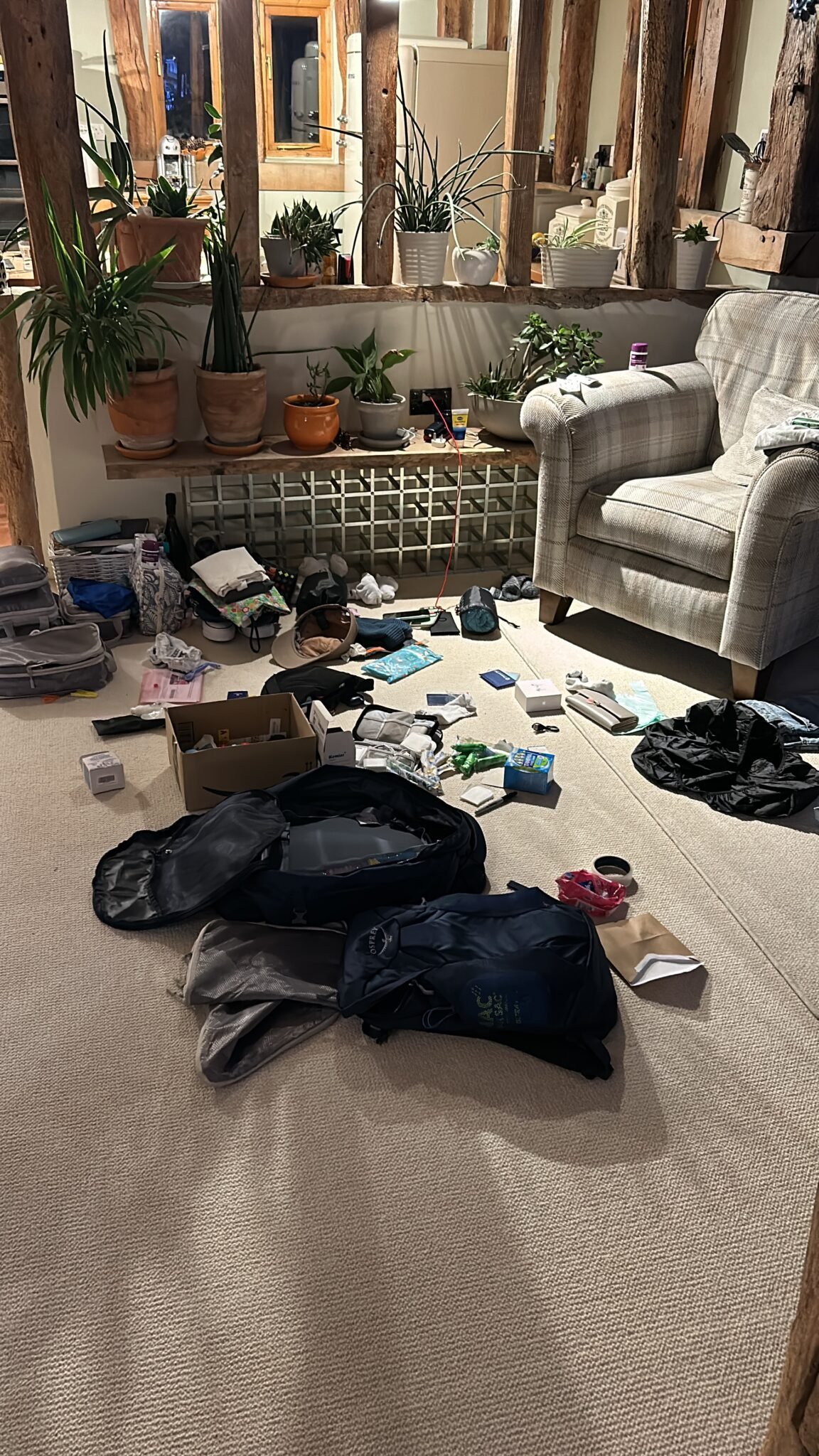
At the time, this didn’t even feel like that much. After six months of travelling, I realised I could have left quite a few of these things at home.
Before you pack anything...
Before getting into the actual packing list, there are a few things I’d recommend thinking about.
Consider the climate
If you’re travelling around Southeast Asia, you’re likely to experience hot and humid weather for much of your trip. That means you probably don’t need a huge amount of clothing. Lightweight, breathable clothes that dry quickly are much more useful than bulky items.
Think about how often you’ll actually wear something
If you’re thinking, “I’ll probably wear this at some point,” that’s not necessarily a good enough reason to pack it. Ask yourself: Would I wear this every week? If the answer is no, consider leaving it behind.
Remember that you can buy things abroad
You don’t need to pack for six months. You need to pack for the first part of your trip and take items that you’ll genuinely use throughout it. I ended up buying a few things while travelling and leaving some things behind. That’s completely normal.
What size backpack did I take?
One of the questions I get asked about long-term backpacking is how much you can realistically fit into a backpack. For my six-month trip, I travelled with a backpack that was roughly 50–60L. Although it was a larger backpack than some travellers use, the important thing wasn’t the exact capacity. It was how much I actually put inside it. A bigger backpack doesn’t mean you need to fill it.
If I were doing the same trip again, I’d focus much more on keeping the overall weight down rather than trying to use every bit of space available.
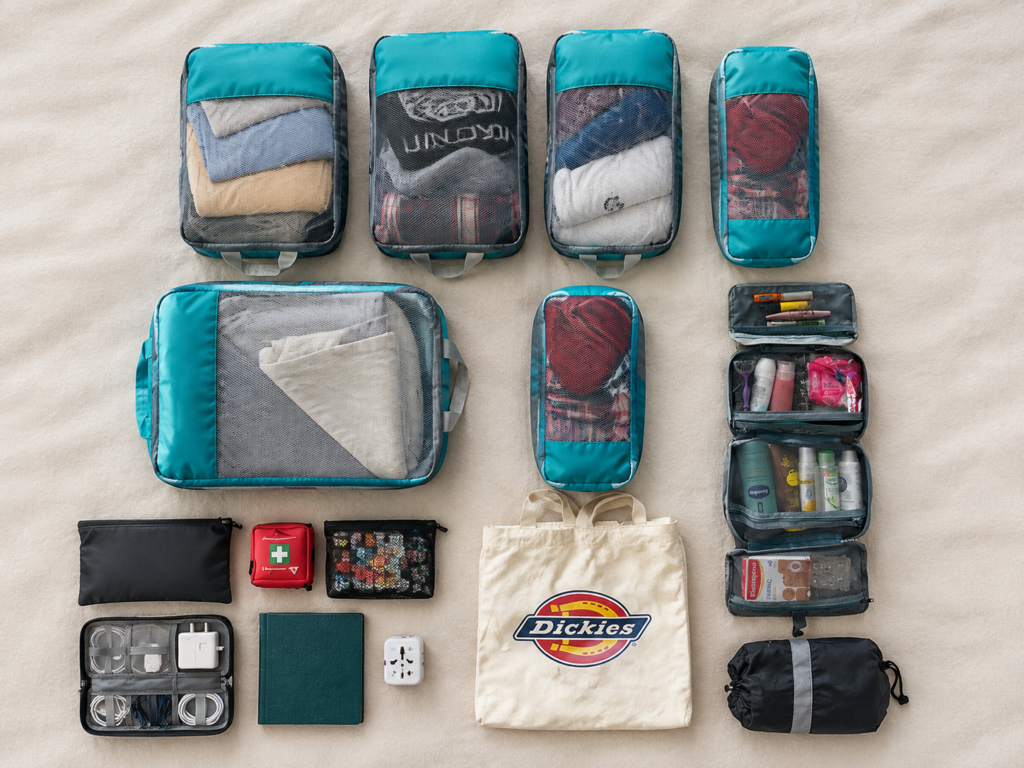
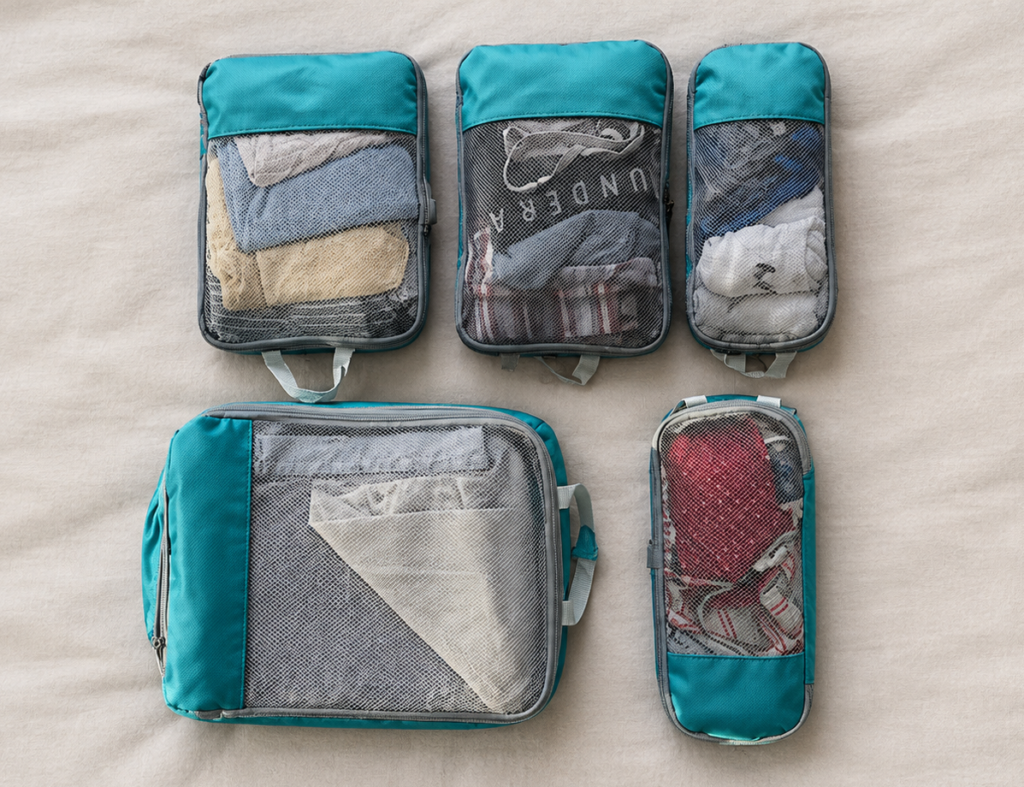
One of the best things I did was use packing cubes to keep everything organised. They made it much easier to find things without emptying my entire backpack every time I needed a T-shirt.
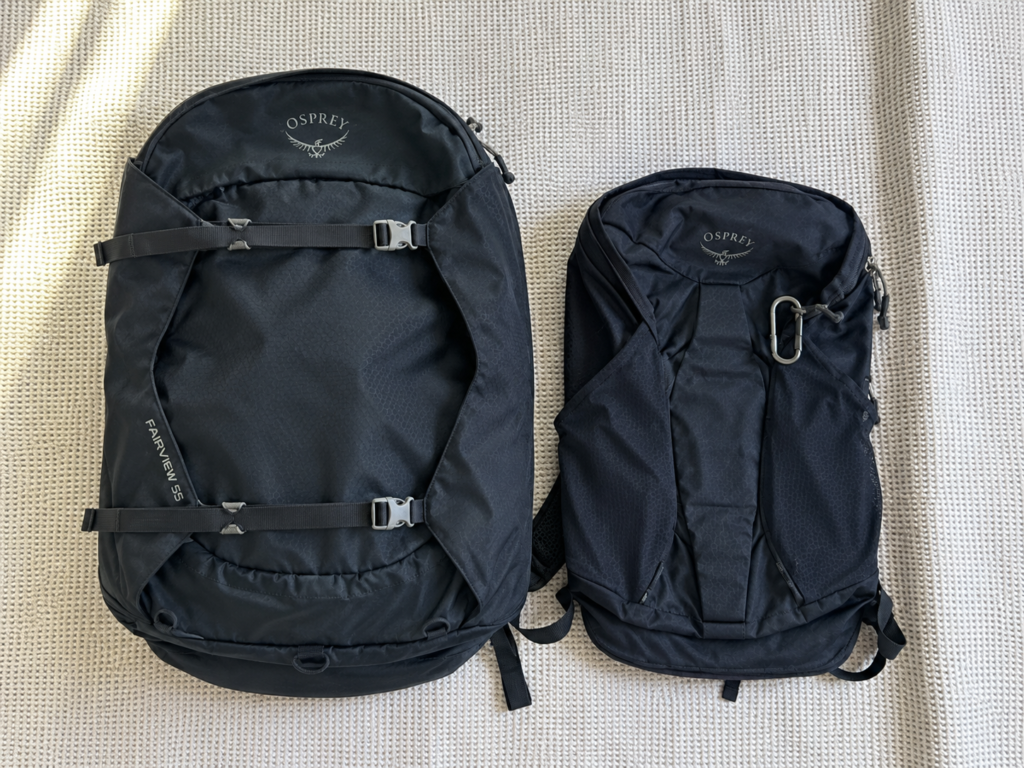
My Southeast Asia Backpacking Packing List
Clothing
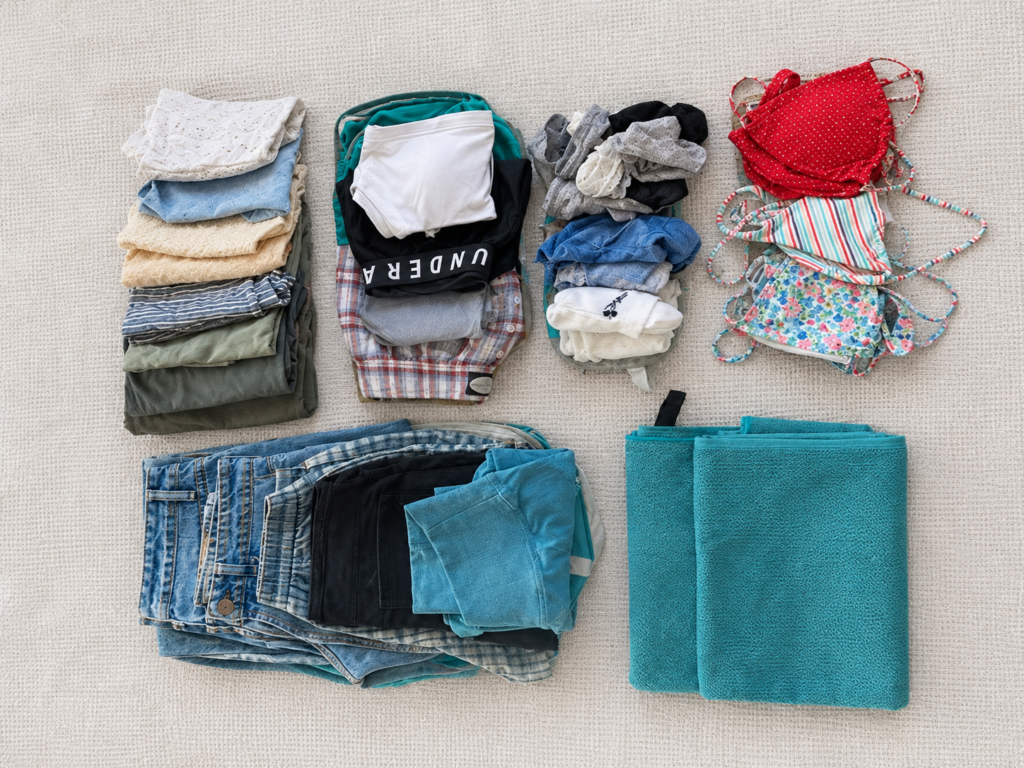
Clothing was probably the category where I overpacked the most. I thought having more options would make life easier, but in reality I ended up wearing the same few things repeatedly.
What I packed:
- T-shirts and tops
- Shorts
- Lightweight trousers
- Underwear
- Socks
- Swimwear
- A lightweight jumper/hoodie
- A lightweight rain jacket
- Sleepwear
- A few nicer outfits for evenings
- Sportswear
What I actually used
Most of the time, I lived in a very small rotation of clothes. When you’re travelling for months, nobody cares if you wear the same outfit several times. You’re much more likely to prioritise whatever is comfortable, cool and easy to wash. If I were packing again, I’d take fewer clothes and wash them more often. That sounds obvious, but it’s something that’s much easier to understand after you’ve actually spent months living out of a backpack.
Footwear
I took several pairs of shoes because I thought I’d need different options for different situations.
I had:
- Trainers/ Salomon xt-6
- Birkenstocks
- Crocs
My trainers were useful for walking and activities, while sandals were much more practical for everyday life in hot weather. The main thing I’d consider when packing shoes is how much space and weight they take up compared with how often you’ll wear them. Shoes are bulky, so taking multiple pairs can quickly use up valuable backpack space.
Toiletries
I tried to keep toiletries relatively simple. I packed the usual essentials, including:
- Shampoo
- Conditioner
- Shower gel
- Toothbrush
- Toothpaste
- Deodorant
- Skincare
- Hairbrush
- Sunscreen
- Basic medication
- Period products
One thing I learned quickly was that there was no need to carry huge quantities of anything. If you run out, you can buy replacements while travelling. This is particularly useful for things like shampoo, conditioner and shower products, which can take up a surprising amount of space.
Electronics
I kept my electronics fairly minimal, but I did take a few things that I used regularly. What I packed:
- Phone
- Phone charger
- Portable power bank
- Universal travel adapter
- Kindle
- Laptop/Surface
- Headphones/earphones
My Kindle was one of the items I was really glad I packed. Having hundreds of books available without carrying several physical books was ideal for long journeys, beach days and lazy afternoons. My laptop was useful too, particularly when I needed to organise travel plans or keep in touch with home, but whether you need one really depends on your trip. If you’re travelling purely for leisure, you may find that your phone is enough.
The extra travel essentials I packed
These were some of the smaller items that ended up being surprisingly useful:
- Packing cubes
- Microfibre towel
- Reusable water bottle
- Padlock
- Small day bag
- Laundry bag
- Travel adapter
- Portable power bank
- Small first-aid kit
- Sunglasses
- Travel documents
Packing cubes were one of my best decisions. Packing cubes weren’t essential, but they made travelling with a backpack much easier.
Instead of everything being mixed together, I could separate clothes, underwear, swimwear and other items. They also made it easier to repack quickly when moving between destinations.
What I actually used every week
This is probably the most useful part of my packing list. After six months of travelling, these were the things I reached for again and again:
- A small selection of comfortable clothes
- Sandals
- Trainers
- Phone
- Power bank
- Travel adapter
- Packing cubes
- Toiletries
- Sunscreen
- Reusable water bottle
- Kindle
- Small day bag
The biggest surprise was how little variety I actually needed. I didn’t need a completely different outfit for every day. I didn’t need every item to have a specific purpose. The things I used most were the things that were comfortable, practical and easy to carry.
Looking back, some of the things I bought or packed were much more useful than others. If you’re interested in the cost side of long-term travel too, you can read my guide to how much six months in Southeast Asia cost me.
What I didn’t really use
And now for the other side of the list. There were several things I carried around for months that I barely used.
These included:
- Clothes I thought I’d wear but rarely did
- Items I packed “just in case”
- Extra outfits
- Things that were too specific for one particular situation
- Items I thought might be useful but never actually needed
This is probably the biggest lesson I’d pass on to another backpacker: Don’t pack for every possible scenario. If something is genuinely essential, take it. If you’re packing it because “I might need this one day,” think twice. There is a good chance you can buy it when you need it.
What I’d pack differently if I did it again
If I were packing for another six-month backpacking trip tomorrow, I’d pack differently.
- I’d take fewer clothes – This is the biggest change I’d make. I’d rather have a smaller selection of clothes that I genuinely love wearing than lots of options that spend most of the trip at the bottom of my backpack.
- I’d focus on lightweight items – Every extra kilogram matters when you’re carrying your belongings between destinations. I’d choose lightweight, quick-drying clothes wherever possible.
- I’d buy things as I go – I wouldn’t try to prepare for six months before leaving home. I’d pack the essentials and buy anything else when I actually needed it.
- I’d think about versatility – The best items were the ones that could be used in several different situations.. A lightweight top that worked for sightseeing, travelling and going out was much more useful than an item that only worked for one occasion.
- I’d pack for my actual trip, not an imaginary one – This is probably the most important lesson. Don’t pack for every activity you might do. Think about the trip you’re actually taking.
My top backpacking tips
If you’re about to start your own backpacking trip, these are the rules I’d follow:
1. Pack for one week, not six months – You can wash clothes.
2. Don’t fill your backpack – Leave some space. You’ll probably buy things along the way.
3. Prioritise comfort – You’re going to wear the same things repeatedly, so make sure you actually like wearing them.
4. Choose versatile items – If something can be worn in several situations, it’s much more valuable than something you’ll only use once.
5. Keep toiletries small – You can replace them while travelling.
6. Think about weight, not just space – A backpack that fits everything isn’t necessarily a backpack you want to carry around.
7. Don’t pack because you feel like you “should” – If you haven’t used something at home in months, there’s a good chance you won’t suddenly start using it every week abroad.
Final thoughts
Packing for six months can feel overwhelming, especially when you’re trying to imagine everything you could possibly need. But after actually doing it, I realised I could have packed much less. The things I used most were simple, practical and versatile. The things I barely used were usually the things I’d packed “just in case”.
So if you’re preparing for your first long backpacking trip, don’t worry about creating the perfect packing list. Pack less than you think you need, choose things you’ll genuinely use, and remember that you can always buy something later. If you’re still planning your Southeast Asia adventure, have a look at my 10 Things I Wish I Knew Before Backpacking Southeast Asia for more lessons I learned during my 18 months of travelling.
Happy packing — and travel more, worry less.