
How much does 6 months in Southeast Asia cost ? My real backpacking budget
Before I left for my first backpacking trip, I spent hours searching for realistic Southeast Asia travel budgets. The problem? Every guide seemed to tell me something different. Some suggested you could travel for almost nothing, while others seemed to assume you were staying in private rooms and eating in restaurants every day. So, how much does six months in Southeast Asia actually cost?
After spending six months backpacking through Vietnam, Cambodia, Thailand, Laos, Malaysia and Indonesia, I averaged around £25 per day on my day-to-day travel expenses. I wasn’t travelling as cheaply as physically possible, but I also wasn’t trying to travel in luxury. I mainly stayed in hostels, ate local food, used buses and trains, and mixed independent travel with organised tours and activities.
In this guide, I’ll break down exactly how I travelled, what I spent my money on, the costs you need to consider before leaving, and how much I’d recommend budgeting if you’re planning a similar trip today.
Quick Budget Summary
| Expenses | Average Cost | |||
|---|---|---|---|---|
| Average daily spend | £25 | |||
| Approx. monthly spend | £750-£1000 | |||
| Hostel dorm | Around £5-£20 | |||
| Private room | Around £15-£40+ | |||
| Local food | £2-£5 | |||
| Travel style | Budget backpacker |
Important: My £21 per day figure is based on my own six-month trip. It isn’t a fixed amount that every backpacker will spend. Your costs will depend on your travel style, the countries you visit, the time of year and how often you book tours, flights and other activities.
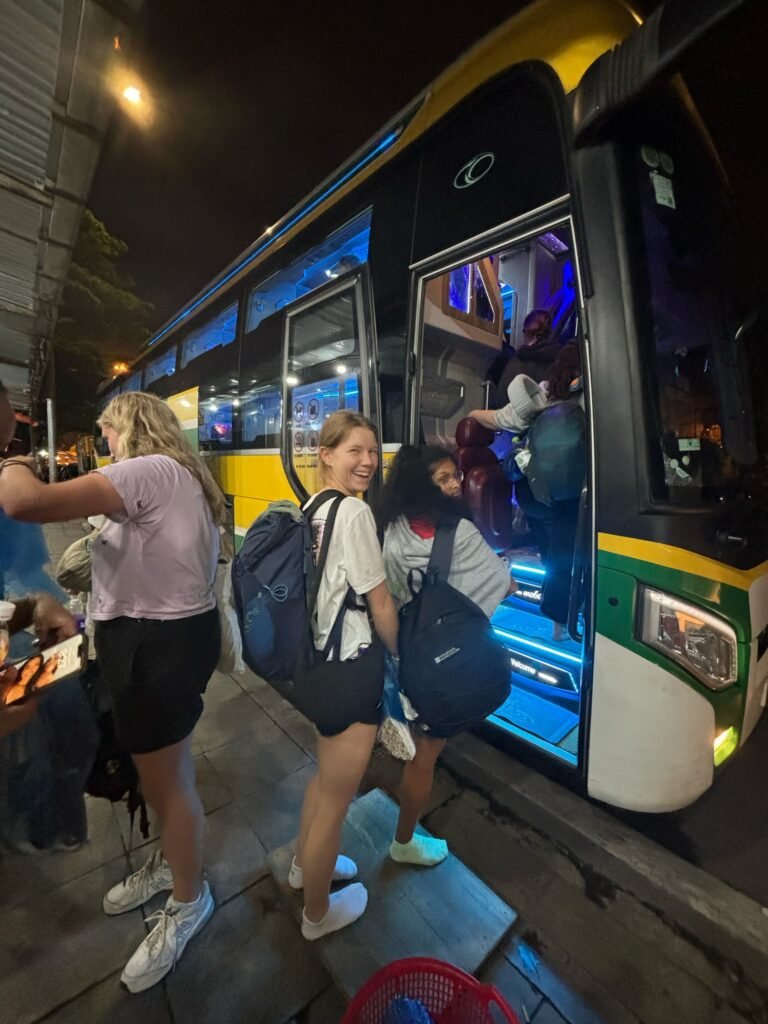
My 6-month Southeast Asia backpacking budget
Before setting off, I spent a lot of time trying to work out how much money I actually need. I knew Southeast Asia was considered a relatively affordable part of the world, but I didn’t want to arrive with an unrealistic budget and then spend my whole trip worrying about money.
After six months travelling through Vietnam, Cambodia, Thailand, Laos, Malaysia and Indonesia, I averaged around £25 per day on my everyday travel expenses.
This covered things such as:
- Hostel accommodation
- Food and drinks
- Buses and trains
- Some flights within Southeast Asia
- Tours and activities
- Entrance fees
- Laundry
- SIM cards
- Grab rides and tuk-tuks
- Small souvenirs and miscellaneous expenses
I travelled as a typical backpacker. Most of the time I stayed in hostel dorms, ate local food and used public transport. However, I wasn’t trying to spend as little as possible. There were plenty of days when I spent more than my average budget because I wanted to do something I’d been looking forward to. The Ha Giang Loop, island-hopping trips, cruises and other organised activities could make a particular day much more expensive. Other days cost very little. Over six months, those more expensive days balanced out with the cheaper ones.
What Did My £25 a Day Actually Cover?
One of the biggest questions I had before travelling was what a backpacker’s daily budget actually looks like. My spending wasn’t the same every day, but this gives you a rough idea of where my money went.
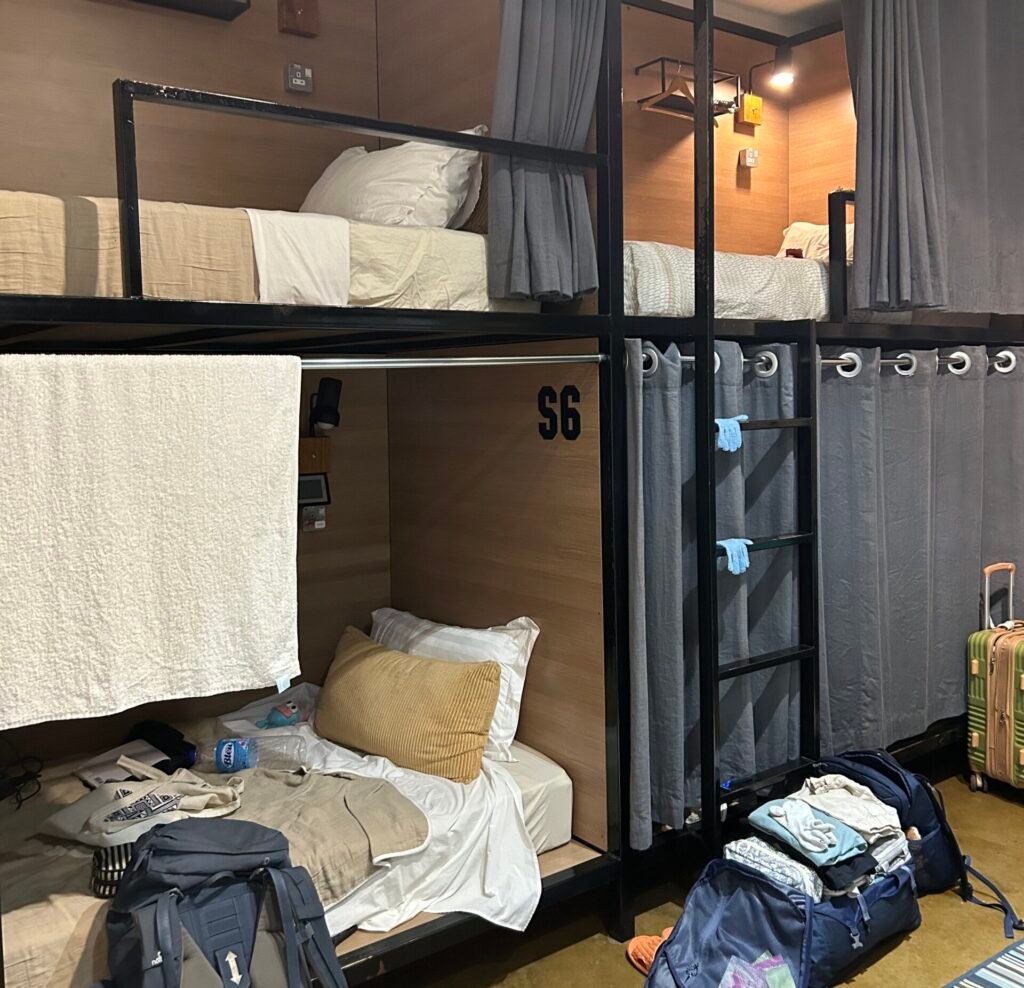
Accommodation — Around £5–£20 a Night
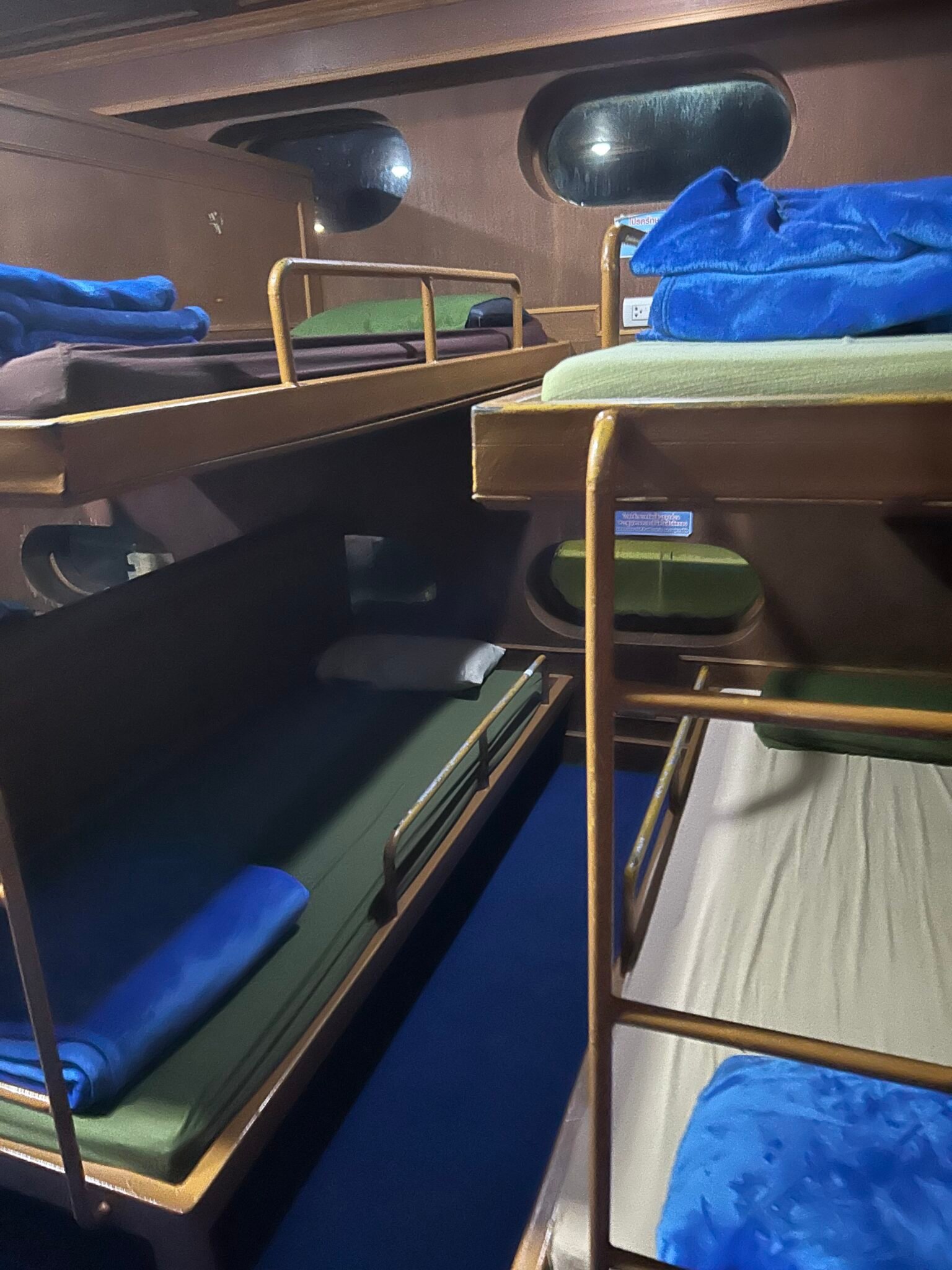
Accommodation was one of my most consistent expenses. I stayed almost exclusively in hostel dorms, which kept my costs relatively low. Prices varied considerably depending on the country, destination and time of year. Some hostel beds were incredibly cheap, while popular destinations and islands could be noticeably more expensive. Sometimes, It was worth booking overnight transport, as it saved on a night’s accommodation.
Every now and then, I’d treat myself to a private room or guesthouse, particularly after a busy period of travelling. If you’re travelling as a couple or with friends, private rooms can also work out surprisingly reasonably when you split the cost.
Money-saving tip: Don’t assume the cheapest hostel is the best option. I found it was often worth paying slightly more for a hostel with good reviews, a central location and useful facilities.
Food and Drinks — Around £5 a Day
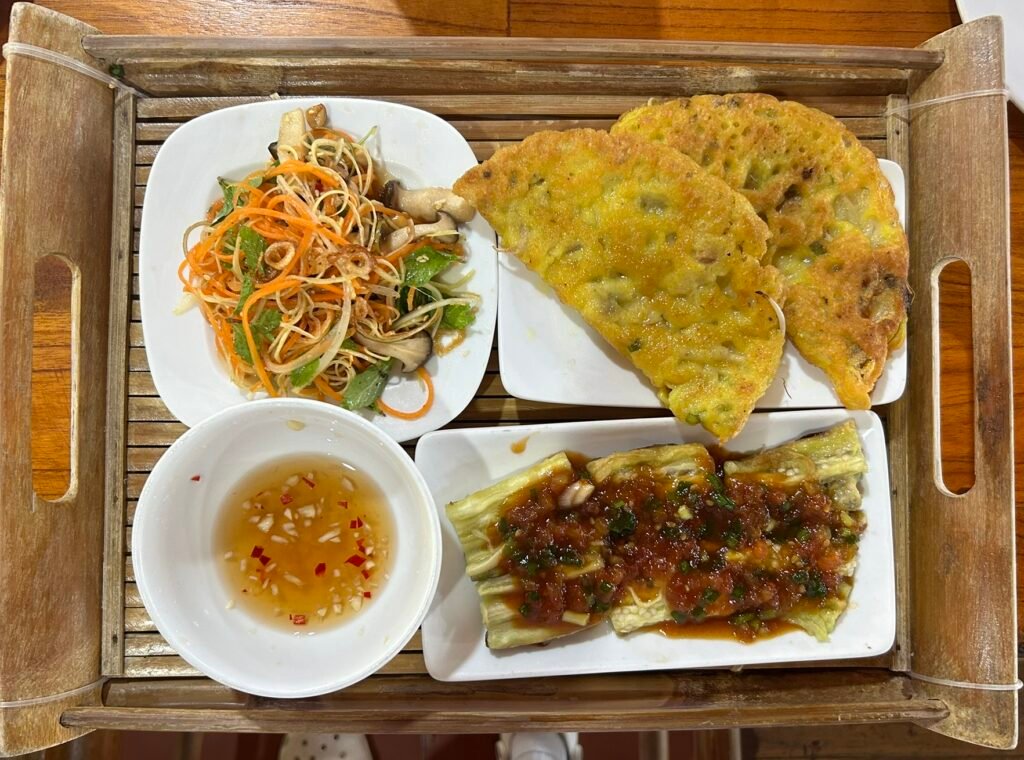
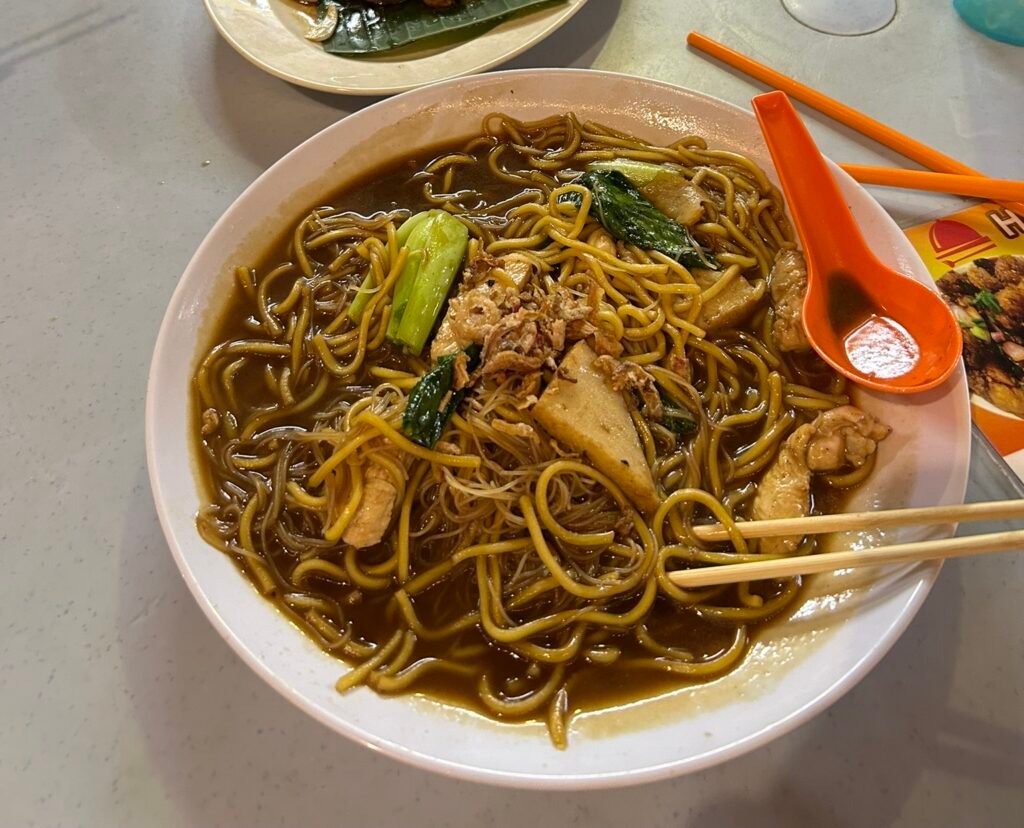
Food was one of the easiest areas to save money without feeling like I was sacrificing anything. I ate local food most of the time, rather than relying on Western restaurants and cafés. Whether it was Pho in Vietnam, Pad Thai in Thailand, local meals were generally inexpensive and often some of the best food I ate on the trip.
A typical local meal could cost just a few pounds, while eating in tourist-focused restaurants or Western cafés could quickly push your daily spending higher, but don’t exclude them if you fancy some home comforts. I also didn’t completely avoid nicer restaurants or drinks. The point wasn’t to never spend money — it was to make sure I wasn’t paying Western prices for every meal.
Money-saving tip: Eat where the locals eat. Street food stalls and small local restaurants were often both cheaper and more memorable than tourist restaurants.
Transport - Around £5 a Day
I mainly travelled around Southeast Asia by bus, train and occasional budget flight, If I was a little tighter on time. Local buses and trains were generally inexpensive, and overnight buses were particularly useful when travelling between destinations. They allowed me to combine a journey with a night’s accommodation, although I’d be lying if I said I always got a great night’s sleep!
For shorter journeys, I used Grab, tuk-tuks and other local transport options. Transport costs can increase significantly if you move between destinations every few days, so one of the easiest ways to reduce your overall budget is simply to travel more slowly. Instead of trying to squeeze ten destinations into two weeks, spending longer in each place can reduce the amount you’re spending on transport while giving you more time to actually enjoy each destination.
Activities - Between £5-£30+ a Day
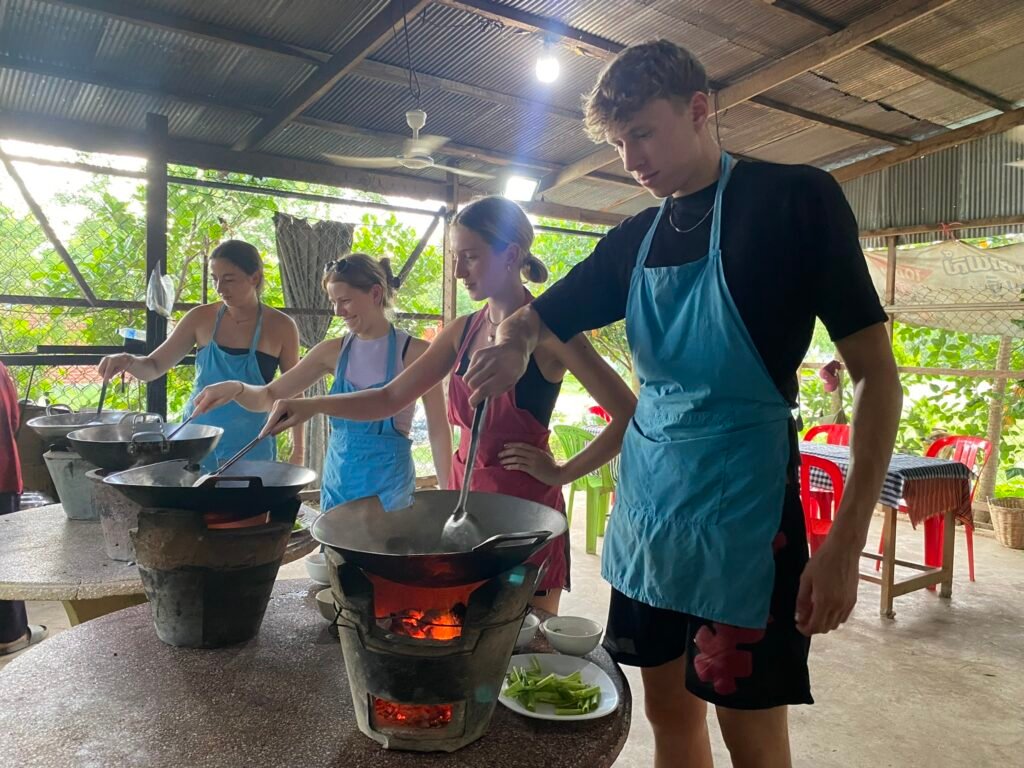
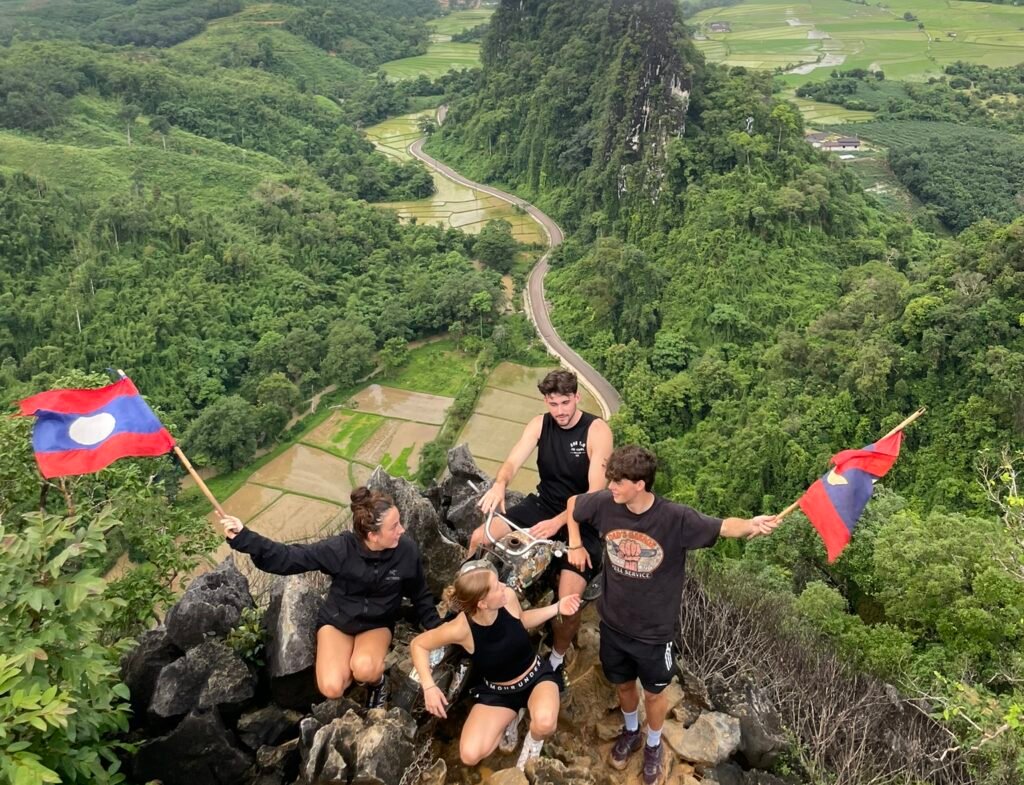
This was the category that varied the most. Some days I spent almost nothing. I could explore a city on foot, relax at the beach, go for a hike or simply enjoy where I was staying. Other days were much more expensive. Multi-day experiences such as the Ha Giang Loop, Ha Long Bay cruises, island-hopping trips and other organised activities could significantly increase my spending for that day. But these were also some of the experiences I remembered most.
I wouldn’t recommend creating a budget that leaves no room for activities. There’s not much point travelling halfway around the world if you’re going to skip every experience because you’ve spent your entire budget on accommodation and food. Instead, I’d leave yourself some flexibility. Have cheaper days when you’re exploring independently, then allow yourself to spend more when there’s an experience you really want to do.
Laundry, SIM Cards and Other Small Costs - Around £30+ a Day
Small expenses are easy to forget when you’re planning a long backpacking trip. Things like:
- Laundry
- SIM cards
- Toiletries
- Bottled water
- ATM fees
- Snacks
- Occasional taxis
- Small souvenirs
These things might not seem like much individually, but over six months they add up. I therefore found it useful to leave a little room in my budget for these smaller, unexpected expenses rather than accounting for every pound.
How I Kept My Southeast Asia Travel Costs Low
I wasn’t travelling on an ultra-strict budget, but there were plenty of simple things I did that helped keep my spending under control, such as:
- I ate local food – Local restaurants and street food were usually much cheaper than Western restaurants.
- I used overnight buses – They weren’t alwasy the most conformfortable and they do vary from country, but they could save the costs of a night’s accomodation.
- I booked some tours locally – For certain activities, I found it cheaper to compare local operators once I arrived rather than booking everything online.
- I travelled slowly – Moving between destinations constantly costs money. Spending longer in one place helped reduce my transport costs.
- I didn’t stay in expensive accommodation – Hostel dorms were my default, with the occasional private room when I wanted a bit more comfort.
- I walked wherever possible – Walking saved money and was often one of the best ways to explore a new place.
- I avoided travelling everywhere during peak periods – Accommodation and activities can become more expensive around major holidays and peak travel seasons.
- I carried a reusable water bottle – This saved me from constantly buying bottled water and was much better for the environment.
- I used hostel kitchens occasionally – I didn’t cook every day, but having access to a kitchen was useful when I wanted to keep food costs down.
- I shared rides – Splitting Grab rides or taxis with other travellers was an easy way to reduce transport costs. The important thing is that saving money didn’t mean I didn’t enjoy myself.
What Did I Spend Before Leaving?
Your daily travel budget isn’t the only cost you need to think about. Before I even boarded the plane, I had several one-off expenses to pay for. Because this was my first long-term backpacking trip, I also had to buy a lot of my travel equipment from scratch. My main pre-trip expenses included:
| Item | Cost | |||
|---|---|---|---|---|
| One-way flight | £550 | |||
| Backpack | £200 | |||
| Backpackers Insurance | £500 | |||
| Vaccinations | Free through NHS | |||
| Visa | Varied depending on country | |||
| Travel gear | Varied |
These costs will obviously be different for everyone. If you already own a backpack, packing cubes, suitable clothes and other travel essentials, your upfront costs could be considerably lower.
Your flight
My flight cost more than I would have liked because I needed to arrive in Vietnam by a particular date. If you’re flexible with your dates, it’s worth comparing different departure dates and airports. I also found that booking a one-way flight gave me the flexibility I wanted for a long trip, rather than having to commit to a return date before I even knew where I’d be.
My backpack and travel gear
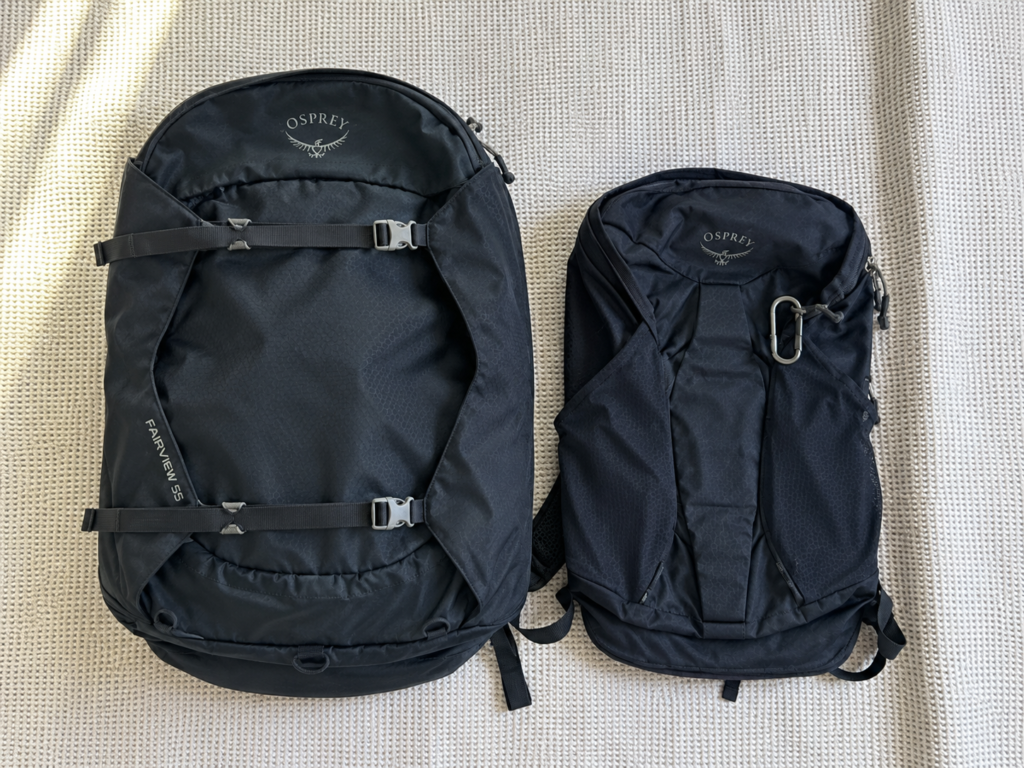
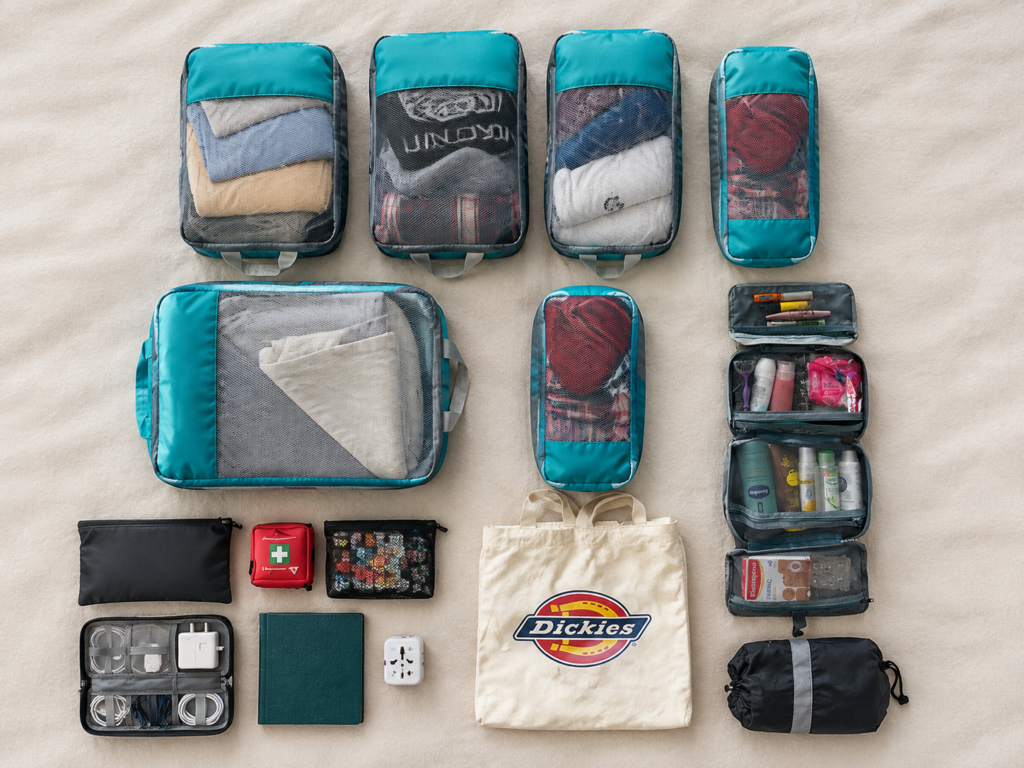
A backpack was one of my biggest equipment purchases. If you’re planning a long backpacking trip, I’d recommend thinking carefully about what you actually need rather than buying everything you see on a typical packing list. I learnt this lesson myself, I packed way too much and took things I barely used and quickly realised that versatile clothing and useful essentials were much more valuable than having a bag full of “just in case” items.
If you want to see what I actually packed and what I ended up using, read my guide to what I packed vs what I actually used backpacking.
Travel insurance
Travel insurance was another significant upfront cost for me because I was travelling for a long period and needed a policy suitable for backpacking. It’s tempting to look at travel insurance as another expense to minimise, but this is one area where I wouldn’t recommend simply choosing the cheapest policy without checking what it actually covers.
For a long backpacking trip, I’d look carefully at:
- Medical expenses
- Emergency evacuation
- Personal liability
- Lost or stolen belongings
- Cancellation and interruption
- The countries you’re visiting
- The length of your trip
- Any adventure activities you plan to do
The biggest financial risk isn’t losing a phone or having a bag stolen. It’s facing a significant medical or emergency expense without adequate cover.
Is Southeast Asia still cheap?
Yes — but I’d allow more than I personally spent.
My average of around £25 per day reflects my own trip and shouldn’t be treated as a guaranteed 2026 budget. Prices have increased since I travelled, and popular destinations such as southern Thailand and Bali can be considerably more expensive than quieter parts of the region.
If I were planning a similar trip today, I’d personally allow around £25–£35 per day for a budget-to-comfortable backpacking style, before international flights and other major pre-trip costs.
That gives you more breathing room for:
- Higher hostel prices
- Popular tourist destinations
- Tours and activities
- Occasional private rooms
- Eating out
- Unexpected expenses
- The occasional treat
You could spend less than this by travelling very slowly, staying in cheaper accommodation and sticking mainly to local food. You could also spend considerably more if you stay in private rooms, take frequent flights, eat in Western restaurants or book lots of organised tours. Your travel style will probably have a bigger effect on your budget than the number of countries you visit.
Southeast Asia Backpacking Budget by Country
One thing I learnt during my trip is that Southeast Asia isn’t one single budget destination. Your daily spending can change considerably depending on where you are. Here’s the range I’d use as a starting point for planning:
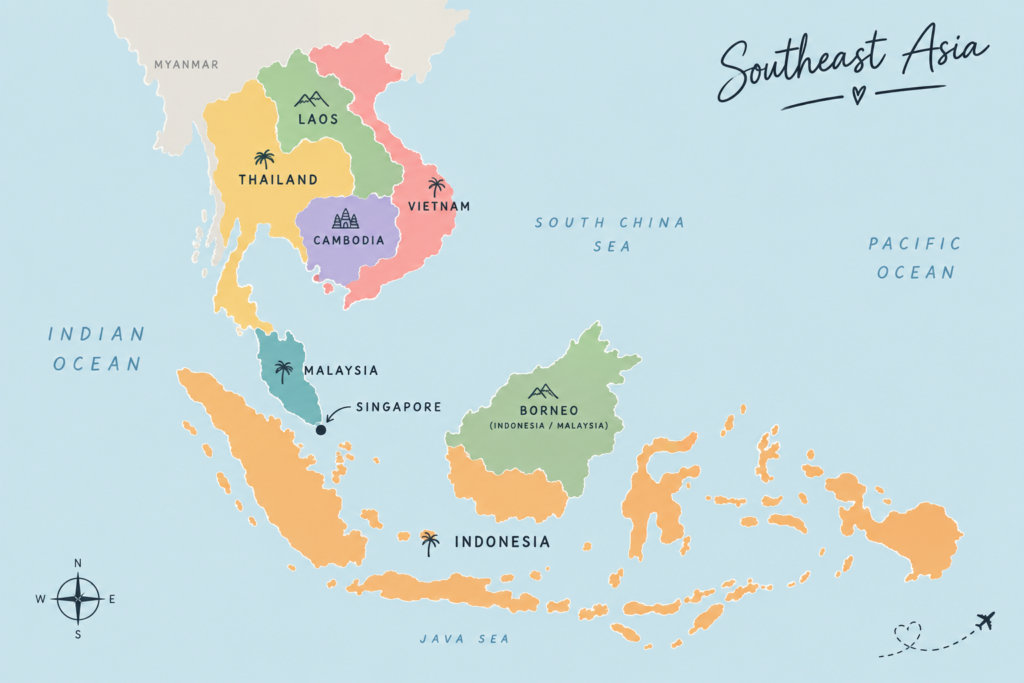
| Country | Recommended Daily Budget | Highlights |
|---|---|---|
| Vietnam | £15-£25 | Excellent value food, transport and accommodation. |
| Cambodia | £15-£25 | Low everyday costs, although Angkor Wat adds to the budget. |
| Thailand | £25-£45+ | The north can be affordable; islands and tourist areas cost more. |
| Malaysia | £25-£35+ | Good infrastructure and reasonably priced accommodation. |
| Laos | £15-£25 | Great for slower, budget-friendly travel. |
| Indonesia | £25-£40 | Costs vary significantly between islands. |
| Singapore | £55-£100+ | Significantly more expensive, particularly for accommodation. |
These are planning figures rather than fixed prices. Your actual costs will depend on where you stay, when you travel and what you do.
Vietnam
Vietnam was one of the places where I found my money went furthest. Hostels were affordable, local food was excellent value and buses made travelling between destinations relatively inexpensive. If you’re planning a Vietnam trip, you can also read my Vietnam Ultimate Itinerary: 2 weeks, 3 weeks or 1 month.
Cambodia
Cambodia can also be very affordable for backpackers. Everyday food, accommodation and transport can be inexpensive, although major attractions such as Angkor Wat will increase your spending.
Thailand
Thailand can be very affordable, particularly in the north. However, popular islands and tourist hotspots can be considerably more expensive, especially during peak season. If you’re planning to spend a lot of time on islands, I’d increase your daily budget.
Laos
Laos was another country where I found it easy to travel slowly without spending a huge amount. It’s particularly suited to travellers who don’t mind taking things at a slower pace rather than trying to tick off lots of destinations.
Malaysia
Malaysia was slightly more expensive for me than some of the cheapest Southeast Asian destinations, but I still found it relatively affordable. The country’s infrastructure also makes travelling around relatively straightforward.
Indonesia
Indonesia varies enormously depending on where you go. Bali’s popularity means that accommodation, restaurants and activities can become expensive, particularly in busy tourist areas. Other Indonesian islands can offer a very different experience and budget.
Singapore
Singapore is the obvious outlier. It’s a fantastic place to visit, but I’d treat it as a separate part of your budget rather than expecting your normal Southeast Asia backpacking budget to apply. Accommodation in particular can push your spending up significantly.
What Is the Cheapest Country in Southeast Asia?
Based on my experience, Vietnam, Laos and Cambodia are among the easiest places in the region to travel on a lower budget. I regularly found affordable hostel beds, local meals and inexpensive transport. But I’d avoid choosing your entire itinerary based purely on which country is cheapest.
A slightly more expensive destination might be somewhere you’ve always wanted to visit — and that’s exactly what your travel budget is there for. For me, the goal wasn’t to spend as little money as possible. It was to find a balance between saving money where it didn’t matter and spending money on experiences I genuinely cared about.
Do You Need Travel Insurance for Southeast Asia?
For a long backpacking trip, I’d strongly consider travel insurance part of the overall cost of travelling rather than an optional extra. When you’re planning a trip, it’s easy to focus on things like stolen phones or lost luggage. But the potentially much bigger costs come from medical treatment, emergency evacuation or personal liability.
This becomes even more important if you’re planning activities such as:
- Motorbike trips
- Diving
- Trekking
- Adventure sports
- Multi-day tours
Always check the policy wording carefully to make sure the activities you’re planning are actually covered. For me, travel insurance was one of the larger upfront costs of my trip, but it gave me peace of mind while travelling for six months.
My Biggest Money-Saving Lessons From Six Months of Backpacking
After six months on the road, the biggest lesson I learnt was that budgeting doesn’t have to mean missing out.
The things that saved me the most money were actually quite simple:
- Eat local – You don’t need to eat in expensive restaurants to have incredible food.
- Travel slowly – Constantly moving costs money.
- Use public transport – Buses and trains can be dramatically cheaper than taking taxis or flying everywhere.
- Stay in hostels – Dorms kept my accommodation costs low and also made it easier to meet other travellers.
- Choose experiences carefully – You don’t need to do every tour. Save your money for the ones you’re genuinely excited about.
- Leave room in your budget – Unexpected expenses are inevitable on a six-month trip.
- Don’t make your budget so strict that you forget why you travelled in the first place. Some of my most expensive days were also some of my favourite memories.
So, How Much Money Do You Need for Six Months in Southeast Asia?
If you’re planning a six-month backpacking trip, I wouldn’t recommend using my £25 per day average as your exact target today. Instead, I’d start with around £25–£30 per day for everyday backpacking expenses, then adjust it depending on your itinerary and travel style.
That works out at roughly:
- £750–£1000 per month
- £4,500–£6,000 for six months
This is for your day-to-day travel costs, rather than your international flights, travel insurance, backpack, vaccinations, visas and other major upfront expenses. If you’re travelling very cheaply, you may spend less. If you’re planning lots of tours, private rooms, island trips, flights or nightlife, you’ll probably need considerably more. The best approach is to work out your itinerary first, then build your budget around it.
Final Thoughts
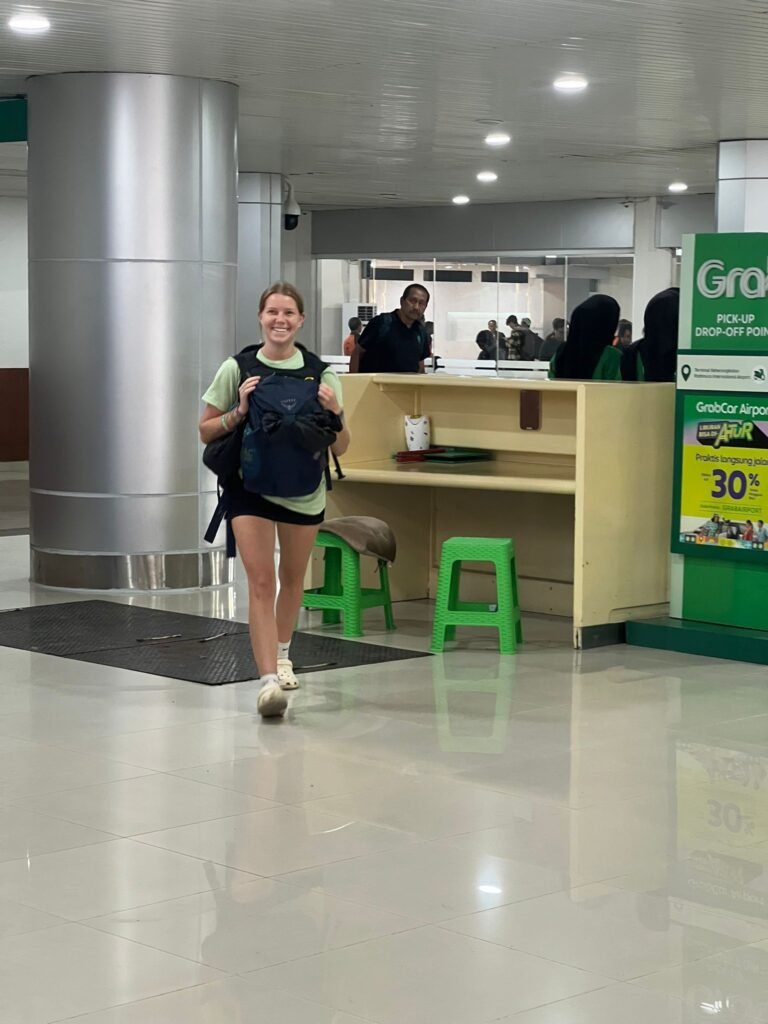
Six months of travelling around Southeast Asia doesn’t have to cost as much as you might think. I managed to travel through six countries while averaging around £25 a day, without feeling like I was constantly depriving myself. I stayed in hostels, ate plenty of local food and travelled by bus and train, but I also spent money on experiences that I knew I’d remember for years.
If I were planning the same trip today, I’d budget around £25–£30 per day for everyday expenses and keep a separate pot for flights, insurance, visas, gear and bigger activities. The most important thing is to give yourself some flexibility. Some days will cost almost nothing. Other days will cost far more than you planned. That’s normal. Your budget is there to help you enjoy your trip — not to stop you from enjoying it.
Planning a Southeast Asia backpacking trip? You might also find these guides useful: